


Ivory Coast Rubber Production Hits 2M Tons as Farmers Shift From Cocoa
TLDR
- Ivory Coast's natural rubber production rose to approximately 2 million metric tons in 2025 from 1.8 million tons in 2024, an increase of 11.1%, as more farmers shifted from cocoa cultivation to rubber
- The country has become Africa's largest rubber producer and ranks second worldwide behind Thailand
- The expansion has been supported by farmers switching from cocoa to rubber in search of more stable incomes
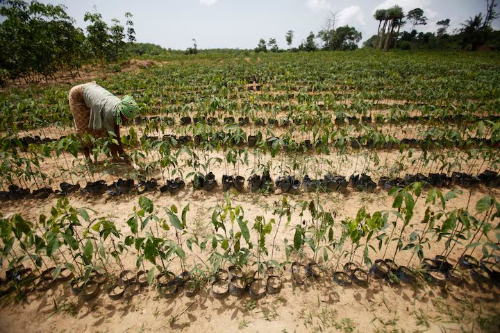
Ivory Coast's natural rubber production rose to approximately 2 million metric tons in 2025 from 1.8 million tons in 2024, an increase of 11.1%, as more farmers shifted from cocoa cultivation to rubber. The Association of Natural Rubber Professionals of Côte d'Ivoire (APROMAC) announced the figures during an industry event in Abidjan. The country has become Africa's largest rubber producer and ranks second worldwide behind Thailand, according to the association.
APROMAC expects production to remain around 2 million tons in 2026 as the industry focuses on improving product quality and processing capacity. The association's president, Charles-Emmanuel Yacé, said the country has about 50 rubber processing plants with combined capacity exceeding 2 million tons annually. The facilities process latex collected from plantations into rubber products used by manufacturers, including tire producers. Ivory Coast's rubber industry has expanded from 164,138 tons in 2005, increasing output more than 12 times over 20 years.
The expansion has been supported by farmers switching from cocoa to rubber in search of more stable incomes. Rubber trees can provide latex for years once they reach maturity, allowing farmers to generate revenue through repeated harvesting. Cocoa farmers, meanwhile, have faced changes in international prices, production costs and crop yields. Rubber producers said training in agricultural practices, improved plantation management and changes in industry governance have contributed to higher production. APROMAC estimates that approximately 180,000 smallholder farmers participate in the country's rubber industry.
Processing companies expect output to increase over the next 5 years as plantations established during the industry's expansion begin producing latex. Rubber trees generally take 5 to 7 years before tapping can begin, meaning investments in new plantations affect production with a delay. Plant managers expect growth to accelerate as additional plantations reach maturity. The expansion has also increased demand for processing facilities, transportation services and infrastructure connecting farms to factories and export markets.
Ivory Coast is seeking to increase domestic processing and generate more value from its rubber production. APROMAC has introduced programmes to identify plantations, improve traceability and support producers. The country supplies natural rubber to international manufacturers, with demand linked to tire production and industrial activity. Future growth will depend on plantation productivity, processing investment and international rubber prices. The industry must also address land use and environmental requirements as farmers expand cultivation.
Key Takeaways
Ivory Coast's rise in natural rubber production reflects a change in the country's agricultural sector as farmers seek income sources beyond cocoa. The country remains the world's largest cocoa producer, but rubber has become another source of export revenue and rural employment. Production reached approximately 2 million tons in 2025, compared with 164,138 tons in 2005, supported by plantation development, investment in processing facilities and changes in farming practices. Rubber offers farmers the opportunity to collect latex throughout much of the year once trees reach maturity, while cocoa revenue depends on harvest cycles and producer prices. However, rubber income remains exposed to international market prices, weather conditions and production costs. The expansion also creates opportunities for companies involved in rubber processing and exports, including BRVM-listed producers such as SAPH and SOGB. Higher national production could increase access to raw materials for processors, although company earnings will depend on purchasing costs, selling prices and operating expenses. Ivory Coast already has approximately 50 processing facilities with capacity exceeding current reported production, giving the industry room to handle additional output as plantations mature. The government is also seeking to increase manufacturing of rubber-based products rather than relying on exports of processed raw materials. This could create jobs and generate revenue from products such as tires, footwear and industrial components. However, the shift from cocoa to rubber raises questions about land availability, crop diversification and environmental sustainability. Farmers must also consider the years required before rubber plantations begin generating income. For investors, the main indicators will be production volumes, international rubber prices, processing capacity, export revenue and profitability among listed agricultural companies. The next phase of growth will depend on whether higher output translates into income for farmers and returns for processors.
Think someone else should see this?








To invest in this opportunity and other opportunities across Africa
Download the daba finance app on your mobile through


Take action.

Download app

Partner with us
Unlock exciting business opportunities and growth potential.
Join Daba
Become a part of our vibrant community and enjoy exclusive benefits.
Contact us
Reach out to us for inquiries, support, or collaboration.