


JPMorgan Deposits $38M With Nigeria Central Bank as it Nears Launch
TLDR
- JPMorgan Chase & Co. deposits 50 billion naira with the Central Bank of Nigeria for securing a merchant banking license.
- The central bank's approval expected by end of 2026 or early 2027, fulfilling Nigeria's increased minimum capital requirement for merchant banks.
- JPMorgan's expansion into Africa includes operations in South Africa, Kenya, and Côte d'Ivoire, enhancing its corporate and investment banking activities across the continent.
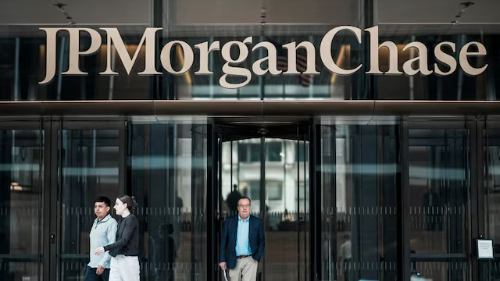
JPMorgan Chase & Co., the largest bank in the US by assets, has deposited 50 billion naira ($38 million) with the Central Bank of Nigeria as it moves closer to securing a merchant banking license in Africa's most populous country, Bloomberg reported. The deposit meets one of the final regulatory requirements for the proposed operation, according to people familiar with the matter. The bank expects to receive approval by the end of 2026 or in early 2027, although the central bank has yet to make a final decision.
The payment meets Nigeria's minimum capital requirement for merchant banks, which was raised from 15 billion naira to 50 billion naira under banking reforms introduced in March 2024. The regulations require applicants to place capital in a dedicated account with the central bank to demonstrate their ability to fund operations. Commercial banks with national licenses must hold at least 200 billion naira, while those with international licenses need 500 billion naira. JPMorgan's application falls under the merchant banking category, which focuses on corporate clients, investment banking and financial transactions.
JPMorgan operates a representative office in Lagos, Nigeria's commercial capital, but does not have a license to provide banking services in the country. Securing approval would allow the New York-based lender to expand into corporate lending, trade finance, payments and other services for businesses and institutional clients. The bank is seeking a larger share of financial transactions involving Nigerian companies, international investors and businesses operating across Africa.
The application forms part of JPMorgan's expansion across the continent. The lender has established operations in markets including South Africa, Kenya and Côte d'Ivoire. In September 2026, it appointed Edward Bell to lead investment banking in sub-Saharan Africa. Sailepu Montet was named to oversee its Kenya office, while Michael Ahonzo Avou was appointed to lead operations in Côte d'Ivoire. The appointments support the bank's plans to increase its corporate banking and investment banking activities across African markets.
JPMorgan declined to comment on the licensing process, while the Central Bank of Nigeria did not respond to a request for comment. If approved, the merchant banking license would give JPMorgan a platform to serve companies seeking financing, manage cross-border transactions and support capital raising in Nigeria. The move comes as Nigerian banks complete a recapitalization exercise designed to strengthen their balance sheets and increase their capacity to finance businesses.
Key Takeaways
JPMorgan's proposed entry into Nigeria's merchant banking market could increase competition for corporate finance, investment banking and cross-border transactions in Africa's largest country by population. The 50 billion naira deposit matches the minimum capital requirement introduced by the Central Bank of Nigeria in 2024, when regulators increased the threshold for merchant banks from 15 billion naira. The same reforms raised capital requirements for commercial banks to 200 billion naira for national licenses and 500 billion naira for international licenses, with existing institutions given until March 31, 2026, to comply. For JPMorgan, a merchant banking license would provide a route to expand its business without entering Nigeria's retail banking market, where lenders such as Access Holdings, Guaranty Trust Holding, Zenith Bank and United Bank for Africa serve millions of customers. Instead, JPMorgan would focus on businesses, institutions and investors requiring financing, treasury services, foreign exchange transactions and access to international capital markets. Its presence could offer Nigerian companies another source of financing and support foreign investment transactions, particularly in sectors requiring dollar funding and access to global financial institutions. The expansion could also support companies involved in international trade by providing access to trade finance and payment services. Nigeria's infrastructure needs, energy sector and growing corporate market provide opportunities for banks with international networks. However, a license would not guarantee lending growth or investment inflows. Those outcomes would depend on demand, economic conditions, currency stability and the bank's ability to build relationships with Nigerian companies. The central bank's approval remains the final hurdle before operations can begin.
Think someone else should see this?








To invest in this opportunity and other opportunities across Africa
Download the daba finance app on your mobile through

Take action.

Download app

Partner with us
Unlock exciting business opportunities and growth potential.
Join Daba
Become a part of our vibrant community and enjoy exclusive benefits.
Contact us
Reach out to us for inquiries, support, or collaboration.