


Sama to Cut Over 1,100 Jobs in Nairobi After Meta Contract Ends
TLDR
- Sama to lay off 1108 employees in Nairobi due to contract termination by Meta Platforms
- Kenya's outsourcing sector highly reliant on global tech clients for content moderation and AI training services
- Shift needed for African economies to build local AI capabilities to reduce dependency on external market fluctuations
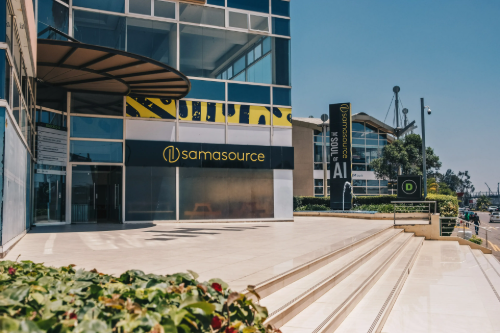
Sama will lay off more than 1100 employees in Nairobi after Meta Platforms ended a key content and data annotation contract. The company said it issued redundancy notices to 1108 workers at its Kenya delivery centre, with cuts expected to take effect later this month.
Sama, a data labelling firm headquartered in San Francisco, said most affected employees were tied to the terminated workstream. The company added it had engaged Meta after receiving notice but was unable to secure an extension.
The layoffs highlight the dependence of Kenya’s outsourcing sector on a small number of global technology clients. Firms like Sama provide content moderation and data annotation services used to train artificial intelligence systems.
Sama said the redundancy process is being conducted under Kenya’s Employment Act. Country lead Annepeace Alwala said the company would support affected staff with counselling and transition assistance while maintaining operations in other areas.
The contract had been one of Sama’s largest in Nairobi, supporting work linked to artificial intelligence development, including data processing for consumer devices.
Key Takeaways
The job cuts underline the structure of the global AI value chain, where critical data work is outsourced to lower-cost markets while decision-making and contracts remain concentrated with large technology firms. Countries like Kenya have positioned themselves as hubs for digital outsourcing, offering a young workforce and lower operating costs. This model has supported job creation, especially for entry-level workers, but it also exposes the sector to demand shifts from a small group of clients. When contracts end, the impact is immediate and concentrated, as seen in the scale of layoffs at Sama. The situation also raises questions about how value is distributed across the AI ecosystem. Data annotation and content moderation are essential to building AI systems, yet these roles often operate on thin margins and short-term contracts. There are also ongoing concerns about working conditions and the type of content reviewed by workers. For African economies, the challenge is to move up the value chain by building local capabilities in AI development, infrastructure and product ownership. Without this shift, the sector risks remaining dependent on external demand cycles and contract decisions made outside the region.
Think someone else should see this?









To invest in this opportunity and other opportunities across Africa
Download the daba finance app on your mobile through


Take action.

Download app

Partner with us
Unlock exciting business opportunities and growth potential.
Join Daba
Become a part of our vibrant community and enjoy exclusive benefits.
Contact us
Reach out to us for inquiries, support, or collaboration.