


Kenya Central Bank Signals More Rate Cuts After 10th Easing Move
TLDR
- Kenya’s Central Bank cuts benchmark rate for 10th time to 8.75%, aiming to stimulate private-sector lending and reinforce policy adjustments.
- Inflation in Kenya slowed to 4.4% in January, within the bank’s target range of 2.5% to 7.5%, prompting a shift from inflation control to growth support.
- Policy corridor narrowed to ±50 basis points, signaling a push for clearer rate guidance and further easing possibilities amid stable inflation and global conditions.
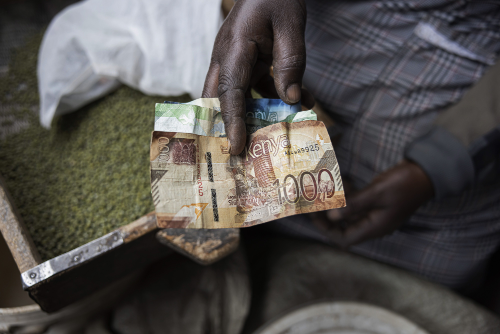
Kenya’s central bank has cut its benchmark rate for the 10th consecutive time and signaled room for further easing to support growth.
The Central Bank of Kenya lowered the rate to 8.75% from 9.00%, down from a 12-year high of 13% in June 2024. Governor Kamau Thugge said there is scope for additional cuts if global conditions remain stable and inflation pressures stay contained.
Inflation slowed to 4.4% in January from 4.5% in December, within the bank’s 2.5% to 7.5% target range.
The move aims to stimulate private-sector lending and reinforce earlier policy adjustments. The bank also narrowed the interest rate corridor around the Central Bank Rate from ±75 basis points to ±50 basis points.
Kenya’s economy grew about 5.0% last year. The central bank forecasts growth of 5.5% this year and 5.6% in 2027. It projects the current account deficit at 2.2% of gross domestic product in 2026 and 2027, compared with 2.4% in 2025.
Five of six economists surveyed had expected the cut, though the bankers’ association had urged a pause to allow previous reductions to filter through the economy.
Key Takeaways
Kenya’s monetary stance reflects a shift from inflation control to growth support. With inflation anchored near the midpoint of the target range, policymakers are prioritizing credit expansion and economic momentum. Lower borrowing costs could ease financing conditions for households and businesses, though transmission to lending rates may take time. Risks remain, including potential drought and external shocks. The narrowing of the policy corridor signals a push for clearer rate guidance and improved market transmission. If inflation remains stable and global financial conditions do not tighten, further easing is possible. Kenya’s approach highlights how African central banks are recalibrating policy as inflation moderates, balancing growth support with currency and external stability.
Think someone else should see this?









To invest in this opportunity and other opportunities across Africa
Download the daba finance app on your mobile through

Take action.

Download app

Partner with us
Unlock exciting business opportunities and growth potential.
Join Daba
Become a part of our vibrant community and enjoy exclusive benefits.
Contact us
Reach out to us for inquiries, support, or collaboration.