


Kenya Court Clears Safaricom Stake Sale to Vodacom
TLDR
- Kenya’s Court of Appeal lifts order blocking government's sale of 15% stake in Safaricom to Vodacom, enabling a transaction worth about $1.6 billion, despite legal challenges.
- President William Ruto aims to raise funds for infrastructure projects in Kenya by reducing government ownership in Safaricom and allowing Vodacom to increase its stake to 55%
- Vodacom set to become sole owner of Vodafone Kenya by acquiring Vodafone International Holdings' 12.5% stake in addition to Safaricom shares.
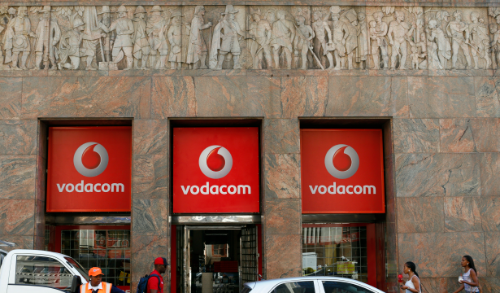
Kenya’s Court of Appeal lifted an order blocking the government’s planned sale of a 15% stake in Safaricom to Vodacom, clearing the way for a KES204.3 billion, or about $1.6 billion, transaction.
The ruling overturns a High Court injunction that had frozen the deal since March after petitioners challenged the sale on constitutional and transparency grounds. They argued that selling part of a public asset to a foreign company required wider consultation and stronger accountability.
The Treasury said the delay risked hurting investor confidence and could cause Vodacom to reprice, abandon or delay the deal. A 3-judge bench ruled that public interest supported allowing the transaction to proceed while the wider legal case continues.
The sale is part of President William Ruto’s plan to raise funds for infrastructure projects and reduce pressure on the budget. Kenya is seeking private capital to support roads, railways, airports, power lines, dams and irrigation projects under a wider development program.
If completed, Vodacom’s stake in Safaricom will rise to about 55% from 40%, while the Kenyan government’s holding will fall to 20%. Vodacom will also buy Vodafone International Holdings’ remaining 12.5% stake in Vodafone Kenya, making it the sole owner. The transaction still requires final regulatory approvals, including a possible exemption from a mandatory offer to other Safaricom shareholders.
Key Takeaways
The court ruling is important because it revives one of Kenya’s largest planned asset sales and gives the government a path to raise funds without taking on more debt or raising taxes. Safaricom is Kenya’s most valuable listed company and a major source of dividends, so selling part of the state’s stake is both financially useful and politically sensitive. For the Treasury, the deal can help fund infrastructure and ease fiscal pressure. For Vodacom, it strengthens control over East Africa’s largest telecom operator and deepens exposure to mobile money, data and enterprise services through Safaricom. But the case also shows the tension around privatisation in Kenya. Critics want more transparency and public consultation when strategic assets are sold. Investors will now watch the remaining approvals, the mandatory-offer exemption and whether the broader court challenge creates more delays. The deal’s success could shape future state asset sales, including other planned disposals under Kenya’s funding strategy.
Think someone else should see this?









To invest in this opportunity and other opportunities across Africa
Download the daba finance app on your mobile through

Take action.

Download app

Partner with us
Unlock exciting business opportunities and growth potential.
Join Daba
Become a part of our vibrant community and enjoy exclusive benefits.
Contact us
Reach out to us for inquiries, support, or collaboration.