


Würth to Exit Kenya After 29 Years as Global Restructuring Continues
TLDR
- Wuerth Group discontinuing its Kenyan operations after 29 years due to global restructuring, highlighting the shift in African industrial supply chains.
- Multinational companies like Wuerth are facing challenges from lower-cost imports from Asia, impacting industries such as automotive, construction, and manufacturing in Kenya.
- Africa's industrial markets are evolving towards price-driven supply chains, with local distributors offering competitive alternatives to premium products, affecting multinational firms' regional strategies.
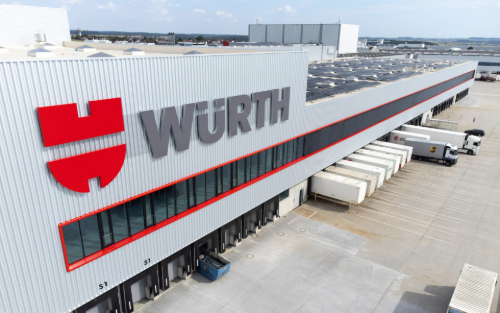
Wuerth Group will shut down its Kenyan subsidiary at the end of May 2026, ending nearly three decades of operations in East Africa. Wuerth Kenya Ltd informed customers in a notice dated March 10 that it will halt operations after 29 years in the country.
The Nairobi-based distributor supplies industrial fasteners, tools and assembly materials to sectors including automotive repair, vehicle assembly, construction and manufacturing.
The company said it will continue operating until the end of May while winding down activities and settling obligations with customers and partners.
The closure forms part of a broader restructuring of the German parent company’s global operations.
The exit adds to a list of multinational companies reassessing their presence in smaller African markets.
Companies such as GlaxoSmithKline and Procter & Gamble have also scaled back operations in parts of Africa in recent years as global firms review market priorities.
Würth operates in more than 80 countries and supplies tools, fasteners and assembly systems used in industrial production and engineering.
Kenya’s industrial supplies sector has become more competitive over the past decade.
Local distributors and regional importers now offer lower-cost alternatives, especially imports from China.
Manufacturers and vehicle assemblers including Kenya Vehicle Manufacturers, Mobius Motors, BasiGo and Roam increasingly source parts and components from Asian suppliers.
Würth did not disclose how many employees would be affected by the closure.
Key Takeaways
Würth’s exit from Kenya reflects a wider shift in Africa’s industrial supply chains as global manufacturers face rising operating costs and stronger competition from low-cost imports. Many multinational suppliers built their presence in African markets around premium industrial products and long-term distributor networks. However, price-sensitive markets are increasingly turning toward cheaper imports from China and India, especially in sectors such as automotive assembly, construction and manufacturing. Local distributors and regional importers have also expanded their reach, offering comparable products at lower prices and shorter delivery times. For multinational firms with higher operating costs and global supply chains, maintaining smaller regional offices can become less economically viable. As a result, some companies are restructuring their African operations by consolidating markets, shifting toward larger regional hubs or relying more on distributors rather than direct subsidiaries. This trend highlights a structural shift in Africa’s industrial markets, where supply chains are becoming more price-driven and increasingly influenced by Asian manufacturing networks.
Think someone else should see this?









To invest in this opportunity and other opportunities across Africa
Download the daba finance app on your mobile through


Take action.

Download app

Partner with us
Unlock exciting business opportunities and growth potential.
Join Daba
Become a part of our vibrant community and enjoy exclusive benefits.
Contact us
Reach out to us for inquiries, support, or collaboration.