


Safaricom Brings Stock Trading To M-Pesa With Ziidi Trader Launch
TLDR
- Safaricom launches stock-trading feature on M-Pesa mobile platform with Ziidi Trader in partnership with Kestrel Capital.
- M-Pesa has over 35 million users in Kenya, now offering savings, banking, and investment products including stock trading.
- Ziidi Trader has quickly captured 40% of trades on Nairobi Securities Exchange, aligning with Kenyan equity rally and President Ruto's market participation push.
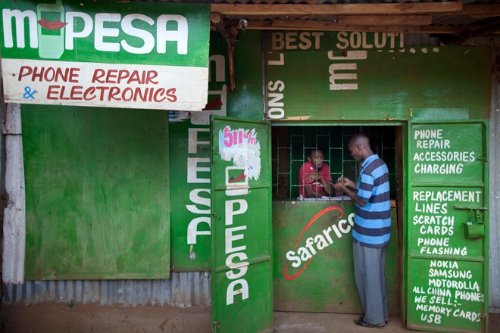
Safaricom has launched a stock-trading feature on its M-Pesa mobile platform, allowing users to buy shares listed on the Nairobi Securities Exchange without opening a traditional brokerage account.
The service, called Ziidi Trader, is offered in partnership with Nairobi-based brokerage firm Kestrel Capital. Safaricom did not disclose expected user numbers or whether the product will expand to other M-Pesa markets such as Ethiopia.
M-Pesa, launched in 2007, serves about 35 million users in Kenya and offers savings, banking and investment products. By embedding stock trading within the app, Safaricom is targeting small retail investors.
Since launch, Ziidi Trader has accounted for an average of 40 percent of trades on the Nairobi Securities Exchange, representing about 5 percent of total daily trading volume.
The rollout comes during a rally in Kenyan equities, supported by higher allocations to emerging markets. It also aligns with President William Ruto’s push to expand citizen participation in capital markets ahead of the presidential election scheduled for August next year.
Ziidi Trader follows the January 2025 launch of the Ziidi Money Market Fund.
Key Takeaways
Safaricom’s move signals a shift toward mass retail participation in African capital markets through mobile platforms. Kenya already has one of the continent’s most developed digital payment ecosystems. Integrating trading into M-Pesa lowers entry barriers by removing paperwork and reducing account-opening friction. If adoption scales, the model could deepen liquidity on the Nairobi exchange and broaden the investor base beyond institutional and high-net-worth clients. Increased retail activity can support turnover but may also add volatility during market swings. For Safaricom, the initiative expands fee-based revenue streams beyond telecom services and payments. For policymakers, wider participation supports financial inclusion and domestic savings mobilization. The next test will be user education, investor protection and the ability of regulators to oversee a surge in small-ticket digital trading.
Think someone else should see this?









To invest in this opportunity and other opportunities across Africa
Download the daba finance app on your mobile through

Take action.

Download app

Partner with us
Unlock exciting business opportunities and growth potential.
Join Daba
Become a part of our vibrant community and enjoy exclusive benefits.
Contact us
Reach out to us for inquiries, support, or collaboration.