


Kenya Lawmakers Back $1.5B Safaricom Stake Sale to Fund Infrastructure
TLDR
- Kenya's parliamentary committees recommend approving the government's plan to sell 15% stake in Safaricom, expected to raise KES204 billion.
- Proceeds from the sale to support National Infrastructure Fund for projects like roads and energy systems, reducing fiscal pressure.
- Safaricom remains a key player in Kenya's digital economy, with M-Pesa driving significant transactions and government revenue.
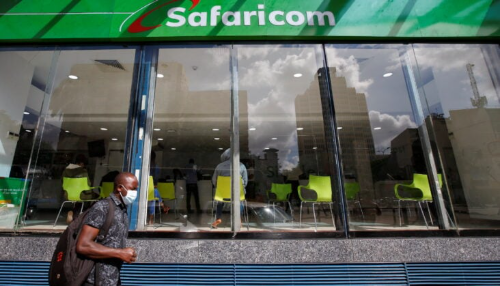
Two parliamentary committees in Kenya have recommended approval of the government’s plan to sell part of its stake in Safaricom, clearing an early legislative hurdle for the transaction. The Public Debt Committee and the Privatisation Committee said they support the proposal to sell 15 percent of the state’s shares in the Nairobi-listed telecom operator.
The sale is expected to raise about KES204 billion, or roughly $1.5 billion.
Lawmakers said the proceeds should be directed to the National Infrastructure Fund to finance projects such as roads and energy systems.
The committees said the share sale could help reduce fiscal pressure while providing funding for long-term development projects.
Kenya’s government currently owns a 35 percent stake in Safaricom. The telecom operator’s largest shareholder is Vodacom Group.
Treasury officials argue that selling part of the stake would raise capital without increasing public debt while supporting Safaricom’s regional expansion strategy.
Safaricom remains one of Kenya’s most profitable companies and a major contributor to government revenue through taxes and dividends.
Its mobile money platform M-Pesa plays a central role in the country’s digital economy.
The committee recommendation now moves to the full house of the Parliament of Kenya for debate and final approval.
The proposal comes as the government seeks new funding sources to address rising debt servicing costs.
Kenya has also pursued other asset sales and privatisation initiatives, including the recent Kenya Pipeline Company initial public offering, which raised KES112 billion.
Key Takeaways
Kenya’s proposed Safaricom share sale reflects a broader shift toward asset monetisation as governments across Africa look for alternatives to borrowing. Rising debt servicing costs and fiscal pressure have pushed many countries to consider partial privatisation of profitable state assets. Safaricom is one of the most valuable companies in East Africa, driven by strong telecom revenue and the scale of the M-Pesa mobile money ecosystem, which processes billions of transactions annually. Selling a minority stake allows the government to unlock capital while retaining influence over the company’s strategic direction. The proceeds are expected to support infrastructure investment, which remains a major constraint on economic growth in Kenya. However, such sales can also raise concerns about future dividend income for the state and long-term control of national assets. The transaction will also reinforce Vodacom’s influence within Safaricom’s structure as the telecom group continues expanding its regional operations across East Africa.
Think someone else should see this?









To invest in this opportunity and other opportunities across Africa
Download the daba finance app on your mobile through

Take action.

Download app

Partner with us
Unlock exciting business opportunities and growth potential.
Join Daba
Become a part of our vibrant community and enjoy exclusive benefits.
Contact us
Reach out to us for inquiries, support, or collaboration.