


Kenya Revives Delayed Tech Hub With Fresh $26M Funding
TLDR
- KIRDI techno-centre project in Nairobi revived with increased funding of KES 3.4 billion, now totaling KES 8.56 billion.
- Construction contract awarded to Kingsley Construction Company for KES 2.66 billion, aiming for completion by February 2028.
- Ongoing delays and challenges in large public infrastructure projects in Kenya underscore funding constraints, procurement issues, and execution challenges.
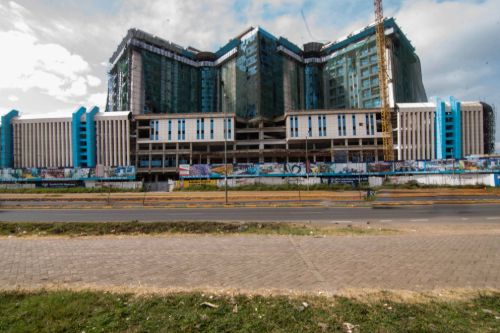
Kenya Industrial Research and Development Institute’s stalled techno-centre in Nairobi has been revived with new funding and a new contractor, extending delays on a project first proposed in 2013, per a TechCabal report.
The government added KES 3.4 billion, about $26.1 million, raising total project cost to KES 8.56 billion, or $65.9 million. This is up from the original KES 5.9 billion budget, according to disclosures by Kenya National Highways Authority.
KeNHA awarded the main construction contract to Kingsley Construction Company for KES 2.66 billion. The company is expected to complete the project by February 2028.
The techno-centre was initially scheduled for completion in 2016 but has faced repeated delays due to funding gaps and contractor disputes. Construction stopped in 2022 after the original contractor left the site over unpaid bills.
Kenya’s Auditor-General Nancy Gathungu said about KES 5 billion had already been spent on the incomplete project, with limited value delivered so far.
Key Takeaways
The KIRDI techno-centre highlights execution challenges in large public infrastructure and innovation projects in Kenya. While the country has set ambitions to build an innovation-led economy, delivery has been slowed by funding constraints, procurement issues, and contractor disputes. Similar delays have affected projects like Konza Technopolis, raising questions about project management and capital allocation. Cost overruns of more than 50% indicate weak planning and financing structures, where initial budgets do not account for delays or inflation. The decision to continue funding the project through the Treasury rather than a public-private partnership reflects a preference for state-led completion despite fiscal pressure. For investors and the private sector, these delays undermine confidence in public infrastructure timelines and returns. For policymakers, the challenge is shifting from project announcement to execution, ensuring that capital deployed translates into functional assets that support innovation, research, and industrial growth.
Think someone else should see this?









To invest in this opportunity and other opportunities across Africa
Download the daba finance app on your mobile through


Take action.

Download app

Partner with us
Unlock exciting business opportunities and growth potential.
Join Daba
Become a part of our vibrant community and enjoy exclusive benefits.
Contact us
Reach out to us for inquiries, support, or collaboration.