


Kenya to Charge VAT on Electric Vehicles in Tax Shift
TLDR
- Kenya plans to apply 16% VAT to electric vehicles, lithium-ion batteries, and electric bicycles, potentially increasing costs for importing companies.
- The move could impact Kenya's active electric mobility market, which projects a significant increase in EV sales by 2030 supported by renewable energy sources.
- The proposal highlights the challenge of balancing revenue collection with supporting climate-linked sectors like electric mobility, raising questions about the timing and impact of tax changes.
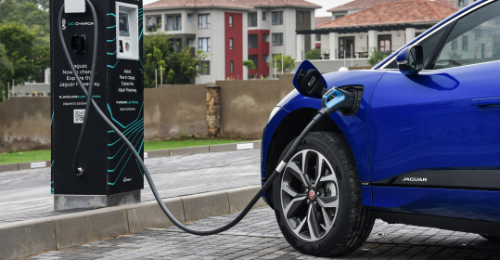
Kenya plans to apply the 16% value-added tax to electric vehicles, lithium-ion batteries and electric bicycles, reversing tax breaks that helped support the country’s electric mobility sector.
The proposal is part of the Finance Bill 2026 and could raise costs for companies importing electric buses, batteries and charging equipment. It comes as startups including BasiGo, Roam and Ampersand expand public transport, battery swapping and charging networks in Kenya and across East Africa.
The sector still depends on imports. A 2025 industry study found that “all or almost all inputs for EVs are imported,” leaving companies exposed to foreign exchange costs, shipping fees and import taxes. A new VAT charge would add another cost layer for operators that already face high capital needs.
Kenya has become one of Africa’s active electric mobility markets. Government investment data projects annual EV sales could rise from 2,700 units in 2023 to 70,000 by 2030, supported by battery swapping, charging infrastructure and startup growth. Kenya’s power mix has also helped the sector, with more than 90% of electricity generation coming from renewable sources such as geothermal, hydro, wind and solar.
The Finance Bill does not give a reason for removing the VAT relief. The proposed changes sit within a broader tax plan covering digital services, software, mobile phones and virtual asset providers, as the Treasury seeks more domestic revenue. The move adds to a policy debate across African markets over how governments can raise taxes while still supporting climate-linked sectors and new industries.
Key Takeaways
Kenya’s proposal shows the tension between revenue collection and industrial policy. EV adoption depends on price, financing, battery access, charging networks and public transport partnerships. Tax breaks helped reduce the cost of imported vehicles and batteries while the market was still forming. Removing relief too early could slow adoption, delay fleet purchases and make battery-swapping networks harder to scale. It could also weaken Kenya’s position as a regional base for electric mobility companies. At the same time, Kenya needs tax revenue and may be looking to reduce exemptions across sectors. The policy question is timing. A full VAT charge can raise short-term revenue, but it may also slow a sector that supports lower fuel imports, cleaner transport and local assembly over time. A phased tax model, local assembly incentives or targeted relief for batteries and public transport vehicles could give the government revenue while keeping the EV market on track.
Think someone else should see this?









To invest in this opportunity and other opportunities across Africa
Download the daba finance app on your mobile through


Take action.

Download app

Partner with us
Unlock exciting business opportunities and growth potential.
Join Daba
Become a part of our vibrant community and enjoy exclusive benefits.
Contact us
Reach out to us for inquiries, support, or collaboration.