


Koko Networks Assets Go On Sale After Carbon Credit Collapse
TLDR
- Koko Networks assets up for sale after regulatory hurdles lead to shutdown in Kenya.
- Sale package includes patents, hardware designs, software, ethanol cooking system, stove factory in India, and distribution network.
- Koko, backed by investors like Microsoft, faced challenges due to Kenya's regulatory issues affecting carbon credit sales.
Administrators have started marketing the assets of Koko Networks, the clean-cooking company that shut down in January after Kenya withheld approval needed for its carbon credit sales.
PwC invited expressions of interest by July 17 from buyers able to complete transactions worth more than $15 million. The threshold points to a sale of Koko’s business platform rather than the disposal of separate assets.
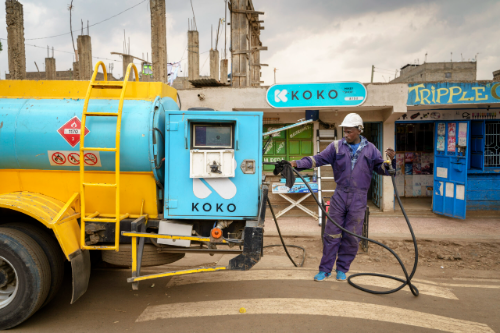
The package includes patents, hardware designs, software and the company’s ethanol cooking system. It also covers a stove and fuel-canister factory in Gujarat, India, and the distribution network that supplied more than 3,000 automated fuel stations across Kenya.
Koko served about 1.3 million households and employed more than 700 people before entering administration. Its model used income from carbon credits to subsidize bioethanol fuel and smart stoves. The business became unworkable when Kenya declined to issue a Letter of Authorisation required to sell credits in some international markets.
Founded in 2013 by Gregg Murray, Koko received equity and debt backing from investors including Microsoft’s Climate Innovation Fund, Mirova, Verod-Kepple and Rand Merchant Bank. The World Bank’s Multilateral Investment Guarantee Agency also issued a $179.6 million guarantee covering investments in the business.
Key Takeaways
Koko’s asset sale shows the risk of building an energy business around one source of policy-dependent revenue. The company had customers, factories, fuel stations and technology, but the price paid by households relied on income from carbon credits. When the state approval needed to sell those credits did not arrive, Koko could no longer fund the subsidy that made its fuel affordable. The collapse affected workers, investors and households that may return to charcoal or paraffin. It also raises questions for climate-finance projects across Africa. Carbon income can help pay for products that low-income users cannot afford, but project developers remain exposed to changes in regulation, carbon-accounting rules and buyer demand. A strategic buyer could reuse Koko’s technology and distribution network, but would need a new revenue model or a path to carbon approvals. The sale will also test whether the infrastructure has enough value without the company’s old financing structure. For investors, the lesson is that strong operating assets cannot remove approval risk when the business depends on government action.
Think someone else should see this?









To invest in this opportunity and other opportunities across Africa
Download the daba finance app on your mobile through

Take action.

Download app

Partner with us
Unlock exciting business opportunities and growth potential.
Join Daba
Become a part of our vibrant community and enjoy exclusive benefits.
Contact us
Reach out to us for inquiries, support, or collaboration.