


Mali Approves $190M Power Grid Project for Bamako
TLDR
- Mali's transitional parliament approved a $190 million power grid project with the African Development Bank Group to improve electricity supply in Bamako and nearby areas.
- The project includes modernizing the transmission and distribution network, connecting 10,000 households and small businesses, and enhancing power supply for about 40 industrial sites.
- This initiative aims to decrease power cuts, support industrial activity, and increase the connection of generation capacity to the grid, crucial for business growth and economic development in Mali.
Mali’s transitional parliament approved financing agreements with the African Development Bank Group for a $190 million power grid project aimed at improving electricity supply in Bamako and nearby areas.
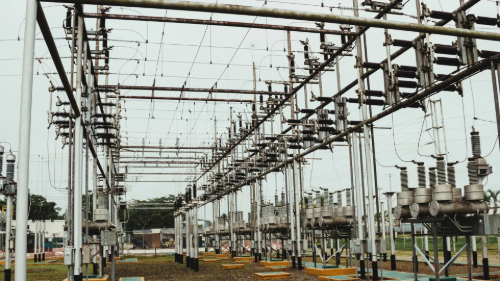
The Bamako North 225 kV Loop Project will modernize the transmission and distribution network, connect 10,000 households and small businesses to the grid, and improve power supply for about 40 industrial sites. Construction is expected to start in the third quarter of 2026.
The project includes a 225 kV high-voltage line linking the Kodialani and Dialakorobougou substations, 2 new substations in Safo and Kénié, and expansion works at Kodialani, Kambila and Dialakorobougou. New medium- and low-voltage lines will also be built to serve parts of Bamako.
The AfDB package includes a $35.27 million loan from the African Development Fund and $18.99 million from the Transition Support Facility. Other funding includes a $5 million loan and a $6.8 million grant from the Climate Investment Fund, plus a $2.2 million grant from the Green Climate Fund.
The remaining financing will come from the West African Development Bank, the Islamic Development Bank and Mali’s government. The project is part of a plan to reduce power cuts, support industrial activity and link more generation capacity to the grid, including the Guinea-Mali interconnection, the Manantali 2 line and planned solar plants in Kambila and Safo.
Key Takeaways
Mali’s power grid project matters because electricity is one of the main limits on business growth in the country. In 2023, the national access rate was 55.8%, with 86.6% access in urban areas and 30.4% in rural areas. Demand is rising by about 10% a year, while production depends on thermal plants and fuel imports. That exposes the power system to fuel costs, foreign exchange pressure and outages. For companies, weak power means higher costs, lower output and more use of generators. For households, it limits services and income activity. The Bamako loop will not solve all of Mali’s energy problems, but it can reduce pressure on the capital’s grid and help industrial users. The link with regional interconnections and solar projects is also important, because Mali needs more sources of power and a stronger network to carry it. For investors, the project signals that donors are still willing to fund core infrastructure despite Mali’s risks. The test will be delivery, cost control and whether the new grid capacity leads to better service for firms and households.
Think someone else should see this?









To invest in this opportunity and other opportunities across Africa
Download the daba finance app on your mobile through

Take action.

Download app

Partner with us
Unlock exciting business opportunities and growth potential.
Join Daba
Become a part of our vibrant community and enjoy exclusive benefits.
Contact us
Reach out to us for inquiries, support, or collaboration.