


Mali Renews Barrick’s Loulo Permit for 10 Years After Dispute
TLDR
- Mali renews Loulo gold mine operating permit for 10 years, signaling improved relations with Barrick Corporation
- Renewal secures 16-year underground mining plan with projected annual output of 420,000-421,000 ounces
- Permit renewal crucial amidst gold reaching record levels and Mali's dependence on gold exports for fiscal revenue
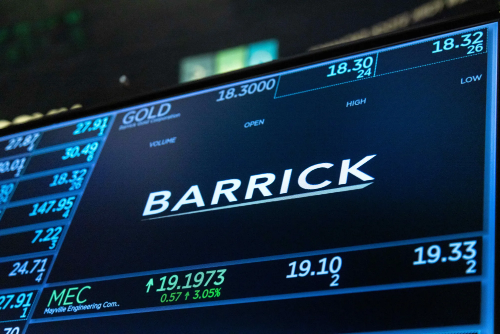
Mali has renewed the operating permit for the Loulo gold mine for 10 years, signaling a reset in relations with Barrick Mining Corporation. The decision was adopted at a Council of Ministers meeting on February 13 and transfers the permit to SOMILO SA, Barrick’s local subsidiary.
Located in the Kayes region, the Loulo-Gounkoto complex is Mali’s main gold asset. Gold accounts for about 80 to 85 percent of export earnings. Barrick holds 80 percent of the mine, while the Malian state owns 20 percent through SOMILO.
The original permit, granted in 1996 for 30 years, was set to expire in 2026. The mining area has expanded from 48 square kilometers to 261.225 square kilometers. A recent feasibility study outlines 6 years of open-pit reserves and 16 years of underground operations, with projected annual output of 420,000 to 421,000 ounces.
The renewal follows tensions after Mali revised its Mining Code in 2023. The dispute disrupted exports. An agreement reached at the end of 2025 cleared the way for full operations. Barrick expects attributable production of 260,000 to 290,000 ounces in 2026.
Key Takeaways
The renewal comes as gold trades near record levels above 2,000 dollars per ounce in recent years, driven by central bank purchases, geopolitical risk, and investor demand for safe assets. For Mali, where gold dominates exports and fiscal revenue, the Loulo-Gounkoto complex is central to public finances. The revised Mining Code increased state participation and tax terms across the sector, affecting several foreign operators. Resolving the dispute with Barrick reduces uncertainty for investors at a time when West Africa remains one of the world’s main gold-producing regions, alongside Ghana and Burkina Faso. Extending underground mining to 16 years provides visibility on output and revenue. Stable production near 400,000 ounces per year supports foreign exchange inflows and budget planning. For Barrick, securing the permit lowers legal risk and allows capital allocation decisions. For Mali, the focus shifts to enforcing new fiscal terms while maintaining production and investor confidence.
Think someone else should see this?









To invest in this opportunity and other opportunities across Africa
Download the daba finance app on your mobile through

Take action.

Download app

Partner with us
Unlock exciting business opportunities and growth potential.
Join Daba
Become a part of our vibrant community and enjoy exclusive benefits.
Contact us
Reach out to us for inquiries, support, or collaboration.