


Mastercard Foundation EdTech Fellowship Selects 13 Egypt Startups
TLDR
- Thirteen ed-tech startups selected for third Egypt cohort of Mastercard Foundation EdTech Fellowship by EdVentures and Mastercard Foundation
- Startups in new cohort cover various sectors including medical education, entrepreneurship, healthcare education, and social-emotional learning
- Partnership aims to expand education innovation, support founders, and create opportunities for young people in Egypt and Africa
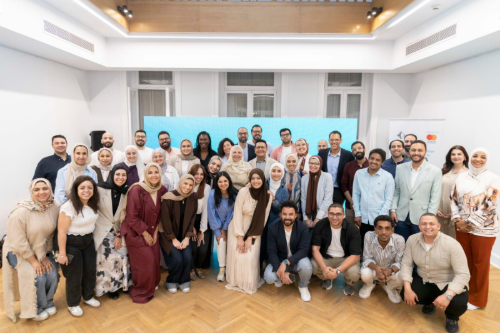
Thirteen ed-tech startups have been selected for the third Egypt cohort of the Mastercard Foundation EdTech Fellowship, bringing the programme’s local portfolio to 36 startups.
The fellowship is run by EdVentures, the venture capital arm of Nahdet Misr Group, in partnership with the Mastercard Foundation through its Centre for Innovative Teaching and Learning. It supports African education technology companies with business support, financial support and training linked to learning science.
The new cohort includes startups working across medical education, early childhood learning, entrepreneurship training, healthcare education, enterprise software skills, women’s upskilling, disability inclusion, employability and social-emotional learning.
Selected companies include Wisdom Education, Hoopooh, Business Development Institute, Plan P, MedsPark, E-TripleSoft Learn, MOMKEN FOR HER, Edulga.ai, SDS Egypt, GMind, Qualiphi, Empower Hub and Farid Academy.
EdVentures founder and Chief Executive Officer Dalia Ibrahim said the fellowship shows how partnerships can expand education innovation and help founders reach more learners. Wariko Waita, director of the Mastercard Foundation Centre for Innovative Teaching and Learning, said the programme supports innovators expanding access to learning and creating opportunities for young people across Egypt and Africa.
Key Takeaways
The new cohort shows how Egypt’s ed-tech market is moving beyond basic online learning into more specialised education services. Several selected startups focus on healthcare training, employability, AI-powered learning, disability inclusion, women’s economic participation and immersive tools such as VR and AR. That matters because education gaps are no longer only about access to classrooms. They are also about job readiness, practical skills, inclusive learning and the ability to connect students to employers and opportunities. The Mastercard Foundation’s model gives startups more than visibility. It combines business support, capital and learning science, which can help founders build products that are useful, scalable and tied to real education outcomes. For Egypt, the programme strengthens the country’s position as a regional ed-tech hub. For Africa, it shows that education innovation is becoming more local, specialised and employment-focused. The challenge will be scale. These startups must prove that their tools can reach learners at low cost, work with schools and employers, and deliver measurable impact beyond pilot programmes.
Think someone else should see this?









To invest in this opportunity and other opportunities across Africa
Download the daba finance app on your mobile through


Take action.

Download app

Partner with us
Unlock exciting business opportunities and growth potential.
Join Daba
Become a part of our vibrant community and enjoy exclusive benefits.
Contact us
Reach out to us for inquiries, support, or collaboration.