


Moody's Raises Ghana's Credit Rating to B3
TLDR
- Moody's Ratings has upgraded Ghana's sovereign rating from Caa1 to B3.
- This decision recognizes fiscal discipline and the decline in financing costs.
- The country remains vulnerable to commodity price volatility despite the improvement.
Moody's Ratings upgraded Ghana's long-term sovereign rating from "Caa1" to "B3" on October 9, 2026, with the outlook revised from positive to stable. This upgrade, which applies to both local and foreign currencies, comes three years after the country began restructuring its debt. The upgrade also applies to Ghana’s international bonds and debt issuance programs.
The rating agency’s decision reflects an improvement in the Ghanaian government’s ability to finance its budget and meet its obligations. Although the “B3” rating still indicates a high credit risk, it marks a move away from levels associated with financial distress. The upgrade is based on the sustained decline in domestic financing costs, debt affordability, and improved macroeconomic balances.
Interest expenses have fallen significantly, with payments 24% below budget projections in the first half of 2026, accounting for only 17.2% of government revenue. Moody’s forecasts that this ratio will stabilize between 20% and 25% through 2028. Public debt fell from 70.1% of GDP in 2024 to 48.8% in 2025, while Ghana posted a primary surplus of more than 2% of GDP in 2025, targeting 1.5% in 2026.
For investors, this upgrade marks the gradual return of confidence in the Ghanaian economy and its financial profile. It signals the government’s improved ability to manage its finances, making the country’s bonds potentially more attractive. Lower financing costs free up budgetary resources, while improved external accounts—driven by gold—support the national currency and reduce inflationary pressures.
However, the normalization of Ghana’s financial profile remains incomplete, as the domestic bond market is only just beginning to accommodate longer-term issuances. This development is crucial for reducing the risk of short-term debt refinancing. After the IMF’s Extended Credit Facility-supported program ends in July 2026, a new 36-month Economic Policy Coordination Instrument will take over to preserve fiscal discipline and investor confidence.
Key Takeaways
Think someone else should see this?









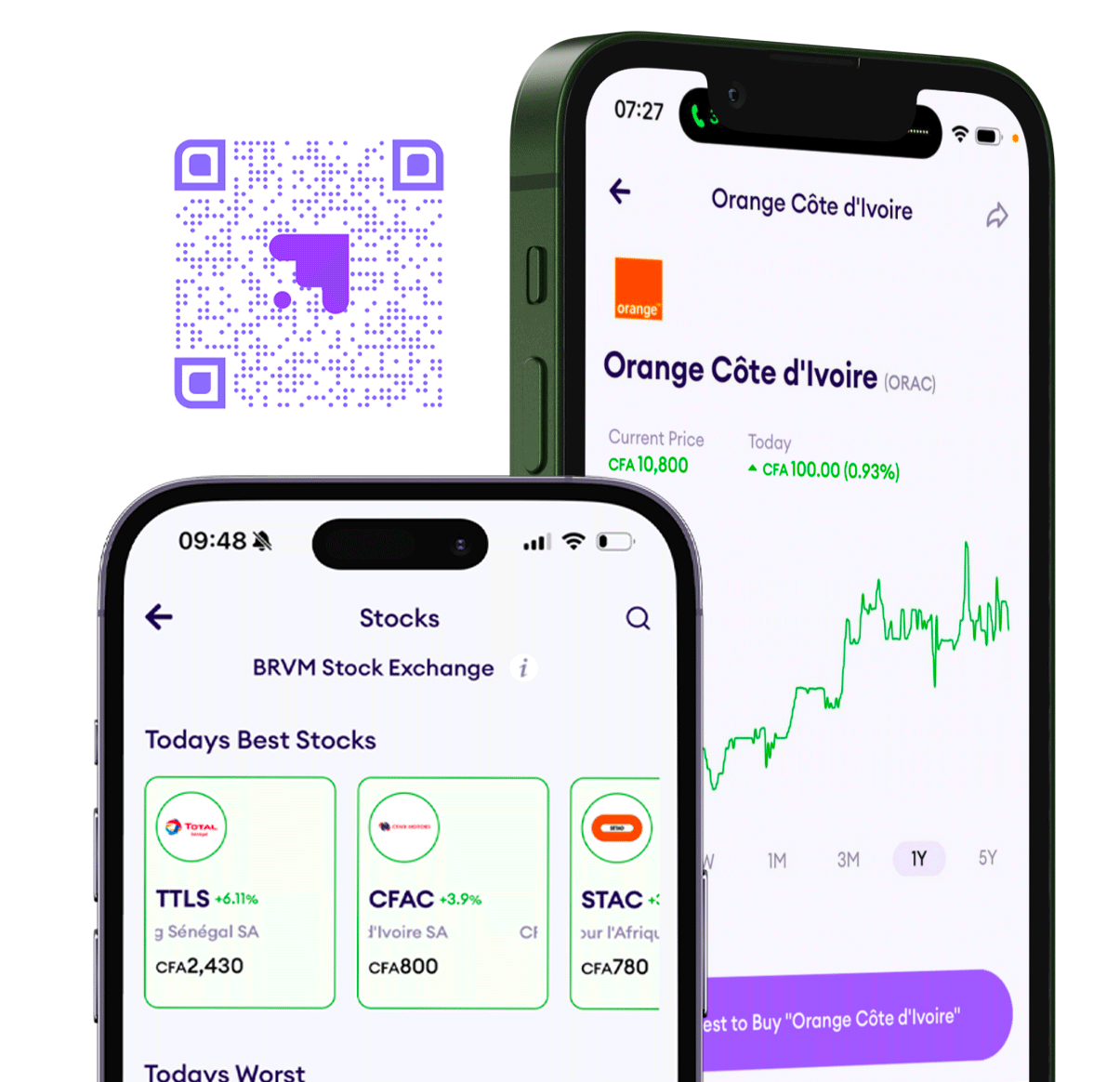
To invest in this opportunity and other opportunities across Africa
Download the daba finance app on your mobile through

Take action.

Download app

Partner with us
Unlock exciting business opportunities and growth potential.
Join Daba
Become a part of our vibrant community and enjoy exclusive benefits.
Contact us
Reach out to us for inquiries, support, or collaboration.