


Morocco Attracts Data Center Investments Despite Power, Demand Gaps
TLDR
- Morocco emerges as a major data center hub in Africa with plans for total installed capacity nearing 2 gigawatts, surpassing the continent's current footprint significantly.
- Key private projects by Iozera, Naver, and Cassava Technologies aim to establish large data centers in Morocco to tap into European markets with AI and cloud services.
- Morocco's strategic geographic position, near Europe and benefitting from multiple submarine cables, positions it as a competitive, low-cost alternative for handling European AI and cloud workloads efficiently.
Morocco is positioning itself as a major data center hub, with private operators announcing projects that could bring total installed capacity close to 2 gigawatts. That figure far exceeds Africa’s current data center footprint, estimated at less than 500 megawatts across the continent’s five leading markets, according to McKinsey.
The scale is striking given Morocco’s limited domestic demand for cloud services and artificial intelligence computing, as well as persistent constraints in power generation and water availability. Yet international investors continue to line up.
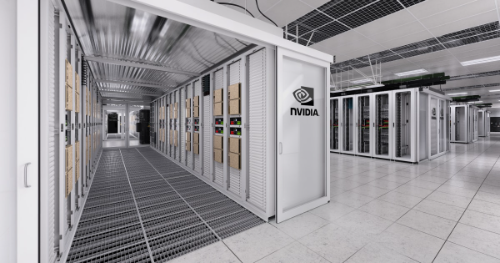
Three private projects dominate the pipeline. Texas-based Iozera announced plans in 2024 to invest $500 million in a 386 MW data center in Tetouan. In 2025, South Korea’s Naver unveiled a 500 MW project at the same site, partnering with Nvidia and drawing power from renewable assets linked to Morocco’s state energy agency. Cassava Technologies, owned by Strive Masiyiwa, is also assessing Morocco for its Africa-wide “AI factory” rollout.
Industry executives say the race is about execution. “The first company to deliver will win the market,” said Amine Benchekroun of Schneider Electric, which is advising on cooling and energy efficiency.
Daba's newsletter is now on Substack. Sign up here to get the best of Africa's investment landscape
Key Takeaways
Morocco’s appeal lies less in local demand than in geography. Located 15 km from Europe and connected by multiple submarine cables, the country offers a low-cost, nearshore alternative for European AI and cloud workloads. Executives describe data capacity as a future export, not a domestic utility. This strategy aligns with Morocco’s broader push to move up the outsourcing value chain. Authorities expect advanced digital services, including AI-related training and processing, to generate up to 40 billion dirhams in revenue by 2030, serving mainly European and Middle Eastern clients. The constraint is energy. Data centers dedicated to AI consume up to 5 times more electricity than traditional cloud facilities, according to the African Data Center Association. Grid readiness and renewable stability may not reach required levels until 2035, raising doubts about timelines. Water use for cooling adds another risk in a drought-prone country. While Morocco has ambition, analysts caution that several mega-projects may be delayed or downsized. Morocco’s data center boom is therefore a bet on execution, exports, and infrastructure catch-up. If power and cooling gaps persist, capacity announcements may outpace what can realistically be delivered in the near term.
Think someone else should see this?









To invest in this opportunity and other opportunities across Africa
Download the daba finance app on your mobile through

Take action.

Download app

Partner with us
Unlock exciting business opportunities and growth potential.
Join Daba
Become a part of our vibrant community and enjoy exclusive benefits.
Contact us
Reach out to us for inquiries, support, or collaboration.