


Morocco Plans $1.5B Casablanca Waste-to-Energy Plant
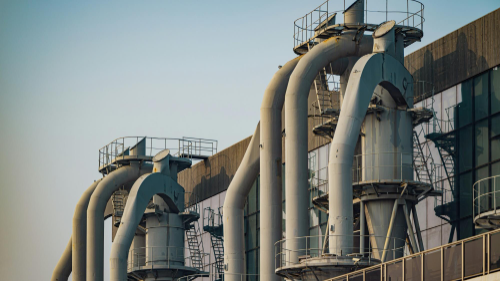
A consortium led by Kanadevia Inova plans to begin building a $1.5 billion waste-to-energy project in Casablanca by the end of 2026, with full operations scheduled for mid-2030. The group, which includes Morocco’s Nareva and Japan’s Itochu, signed a concession agreement with the Casablanca city government on Aug. 3.
The project will process about 1.5 million metric tons of municipal waste each year. It will include a 115-megawatt waste-incineration plant, a 50-megawatt solar facility and a 4-megawatt biogas unit using methane from landfill sites. The partners say the system could meet the annual electricity needs of about 1 million people.
Moroccan contractor Somagec will build the facility near the Mediouna landfill, which has served Casablanca for decades. Construction is expected to take about 3.5 years, though waste treatment and power generation may start 6 to 10 months before completion. The project will also manage and close existing landfill areas and build new disposal sites.
The consortium has secured power purchase agreements with state utility ONEE and regional services company SRM Casablanca-Settat. It will seek debt from Moroccan banks, while the partners provide equity. Construction will start once the financing package is completed, which Kanadevia Inova expects in the fourth quarter.
Mediouna has caused odours, contaminated nearby farmland and released methane as waste decomposes. The project is intended to reduce those effects while adding power for Casablanca. The 33.5-year concession is Morocco’s first integrated waste-to-energy project and Africa’s second facility of its type. The partners estimate it could avoid as much as 128 million tons of carbon dioxide emissions over the concession period by cutting landfill use and capturing methane. The plan also faces questions over incineration, including emissions, ash disposal and whether burning waste could weaken recycling. Its delivery will depend on financing, construction and controls that meet environmental standards.
Key Takeaways
The project matters because it combines waste disposal, power generation and landfill management in one concession, but the case will depend on how the plant handles what remains after incineration. Casablanca produces enough waste to support the planned 1.5 million-ton annual capacity, and capturing methane could cut emissions from Mediouna. Local bank debt and power purchase agreements should reduce currency and revenue risk because financing and electricity payments will be tied to Morocco. Yet a $1.5 billion cost creates pressure to maintain waste deliveries and power sales for decades. Incineration also produces ash and air pollutants that require monitoring, treatment and disposal. Recycling can suffer when operators need a volume of waste to keep plants running, so the city will need rules that separate reusable materials before burning the rest. The 33.5-year concession shifts part of the construction and operating burden to the consortium, while leaving public authorities responsible for oversight. The project could set a model for cities across Africa facing landfill growth, methane and power shortages. Its value will not be measured by capacity alone. It will be measured by costs, emissions, recycling rates, electricity output and whether communities see less pollution without taking on new health risks.
Think someone else should see this?









To invest in this opportunity and other opportunities across Africa
Download the daba finance app on your mobile through


Take action.

Download app

Partner with us
Unlock exciting business opportunities and growth potential.
Join Daba
Become a part of our vibrant community and enjoy exclusive benefits.
Contact us
Reach out to us for inquiries, support, or collaboration.