


MTN Nigeria Stock Hits Record High After Group's $6.2B IHS Deal
TLDR
- MTN Nigeria shares hit record high of N780 after MTN Group's $6.2 billion acquisition of IHS Towers, gaining 4% from an opening price of N750.
- The acquisition gives MTN direct control over tower rollout for 4G and 5G networks, reducing reliance on leasing model and strengthening cash flow by internalizing lease payments.
- Analysts highlight potential short-term leverage concerns if the deal is financed through debt, but foresee strengthened earnings over time with full ownership of IHS Towers.
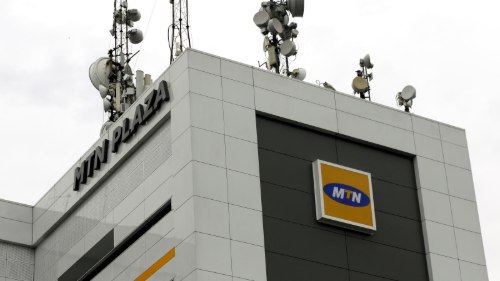
MTN Nigeria shares rose to a record N780 on February 19 after the South Africa-based MTN Group agreed to acquire IHS Towers in a $6.2 billion transaction. The stock gained N30, or 4%, from an opening price of N750. Market capitalization climbed to N16.376 trillion. MTN Nigeria has 20.995 billion shares outstanding. Investors traded 7,169,766 shares valued at N5.542 billion.
The deal gives MTN control of about 29,000 towers across Africa, ending its reliance on a leasing model. MTN previously held about 24% of IHS. The acquisition allows the group to internalize lease payments and reduce exposure to dollar-linked rental contracts.
Analysts said the move could increase cash flow by eliminating recurring lease expenses. It also gives MTN direct control over tower rollout for 4G and 5G networks.
IHS generates about 65% of its revenue from MTN, while Airtel accounts for about 15%. The transaction may affect infrastructure sharing in markets such as Nigeria, Côte d’Ivoire, Cameroon and Zambia.
Some analysts noted potential short-term leverage concerns if the deal is financed through debt. Others said full ownership could strengthen earnings over time.
Key Takeaways
African telecom operators adopted the tower-sharing model over the past 2 decades to reduce capital expenditure. Companies such as IHS, Helios Towers and American Tower expanded by owning and leasing infrastructure to multiple operators. MTN’s reversal signals a shift toward vertical integration. Owning towers can provide cost stability, control over network quality and flexibility in site deployment. It also removes reliance on third-party lease agreements tied to foreign currency. However, consolidation raises questions about competition. Operators that lease from IHS, including Airtel and Orange, may reassess infrastructure exposure. The deal may also affect the valuation of independent tower firms operating in Africa. Data demand continues to rise across Nigeria and other African markets as mobile broadband usage expands. Control over physical infrastructure is central to 5G rollout and rural coverage. The transaction reflects a broader debate on whether asset-light models remain viable in emerging markets with currency volatility and high operating costs. If integration improves margins and cash flow, the strategy could influence other telecom groups in the region.
Think someone else should see this?









To invest in this opportunity and other opportunities across Africa
Download the daba finance app on your mobile through

Take action.

Download app

Partner with us
Unlock exciting business opportunities and growth potential.
Join Daba
Become a part of our vibrant community and enjoy exclusive benefits.
Contact us
Reach out to us for inquiries, support, or collaboration.