


Naira Breaks Below N1,500 Against Euro For First Time Since 2024
TLDR
- Naira closed at N1,497 per Euro, breaching the N1,500 resistance level.
- This marks the first time since April 2024 the Naira has strengthened to this extent against the Euro.
- The move is influenced by Eurozone political instability and Nigeria's foreign exchange reforms.
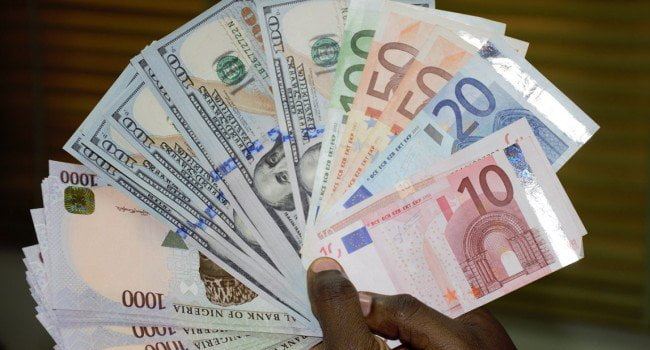
Nigeria's currency, the Naira, recently broke below the N1,500 mark against the Euro for the first time since April 2024. This occurred as the European currency declined to its weakest level against the US dollar since May 2025, according to data from the Central Bank of Nigeria. The Naira closed at N1,497 per Euro, surpassing a significant resistance level.
Before April 2024, the exchange rate had remained below N1,000 per Euro for most of 2023, indicating a stronger Naira. However, following substantial foreign exchange market reforms and a devaluation in 2024, the rate rallied above N1,500 per Euro, reaching as high as N1,800. The EUR/NGN pair has since declined from levels near N1,684 per Euro late last year to its current N1,497.
In the official Nigerian Foreign Exchange Market (NFEM), the Naira has maintained a relatively narrow band of N1,327 to N1,330 per US dollar. This stability is supported by central bank liquidity injections and stable foreign reserves. Meanwhile, the US dollar has predominantly traded between N1,370 and N1,390 in the parallel market, with recent movements indicating a narrowing spread between official and parallel rates, deterring arbitrage.
The Naira has effectively appreciated against the Euro because its value is strongly correlated to the US dollar in Nigeria’s foreign exchange market. When the Euro depreciates against the dollar, cross-rates adjust, making euro-denominated transactions more costly and leading to Naira appreciation against the Euro. Speculative demand has also been mitigated through the CBN’s foreign exchange reforms, monetary policy tightening, and increased transparency within official currency windows.
Increased utilization of Nigeria’s domestic refining capacity, particularly the Dangote Refinery, has reduced the country’s foreign exchange expenditure on importing petroleum products, conserving reserves. Additionally, robust trade performance, driven by strong agricultural exports and high crude oil prices, has supported Nigeria's forex surplus with the Eurozone. The Naira has maintained key moving averages, suggesting a more stable short-to-medium-term trend, with continued inflows and tighter liquidity controls expected to sustain this.
Key Takeaways
Think someone else should see this?









To invest in this opportunity and other opportunities across Africa
Download the daba finance app on your mobile through

Take action.

Download app

Partner with us
Unlock exciting business opportunities and growth potential.
Join Daba
Become a part of our vibrant community and enjoy exclusive benefits.
Contact us
Reach out to us for inquiries, support, or collaboration.