Individuals
Businesses
Company
Intelligence
News
African Capital Markets
Dangote IPONew
EnglishEnglish
share on twittershare on linkedinshare on facebookshare to whatsapp
share on mail
share on instagram

Naira Gains 5% As African Currencies Slide, UNCTAD Reports
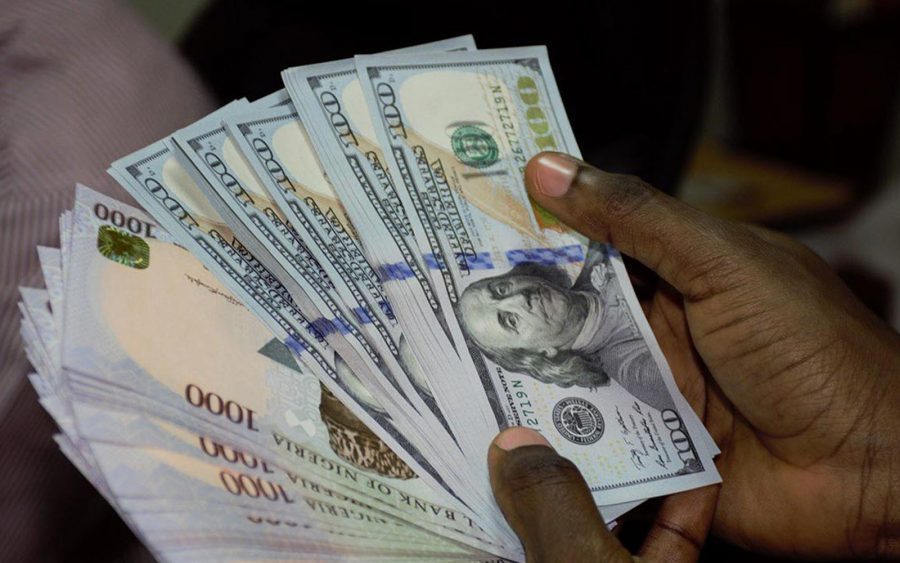
A stack of Nigerian naira banknotes next to a US dollar bill
AFRICAN STOCKS AND FINANCEOctober 11, 2026 at 3:05 AM UTC

TLDR

  • The Nigerian naira gained 5% against the US dollar this year, defying a broader trend of weakening African currencies.
  • The Central Bank of Nigeria's liquidity support and higher oil prices contributed to the naira's stability.
  • Despite currency strength, Nigerian households face significant energy price increases due to insufficient refining capacity.

The Nigerian naira has gained approximately 5% against the US dollar this year, according to the United Nations Trade and Development (UNCTAD) Report 2026. This contrasts with other African currencies, which collectively weakened by 1.2% against the dollar between January 1 and September 11. Africa was the only developing region whose currencies lost ground during this period.

The naira's official rate moved from N1,400 to the dollar on January 28 to N1,330 by October 2, with the Central Bank of Nigeria (CBN) quoting N1,331.77 on October 7. Reuters reported CBN liquidity support was a factor in this stability, as Governor Olayemi Cardoso affirmed the bank's commitment to a transparent foreign exchange market. The gap between official and parallel markets also narrowed to N24 per dollar on October 6, down from N30 the previous weekend.

Globally, currencies in developing Americas gained 3.3%, and developing Asia rose 0.7%. Emerging market economies collectively saw a 2.1% gain, while frontier markets increased 0.5%. The UNCTAD report highlighted Brent crude prices surging from $70 to over $110 a barrel, benefiting energy exporters like Nigeria. Despite this, Nigerian households faced significant energy cost increases, with diesel prices up 82.7% and petrol up 48.1% since February 23.

Nigeria, as an oil exporter, is positioned to benefit from higher crude prices. However, its exposure to foreign investment in local-currency government debt makes it sensitive to shifts in global financial conditions. The report noted that insufficient domestic refining capacity means gains from higher crude prices are partly offset by costlier refined products, impacting households.

UNCTAD projects Africa's economy to grow 4.1% in 2026, significantly outpacing the global forecast of 2.6%. Despite the naira's recent stability, the report indicated the calm might be fragile, citing a fall in trading volumes at the official foreign exchange window in the week to October 6. This suggests potential underlying pressures.

Key Takeaways

The naira's recent appreciation, gaining approximately 5% against the US dollar this year, contrasts sharply with the broader trend across Africa, where currencies collectively weakened by 1.2% between January 1 and September 11. This resilience is partly attributed to liquidity support from the Central Bank of Nigeria, which has aimed for a transparent foreign exchange market rather than targeting a specific rate. The narrowing gap between official and parallel market rates, from N30 to N24 per dollar in a week, further indicates improved stability. Nigeria, as an oil exporter, has also benefited from the surge in Brent crude prices from $70 to over $110 a barrel following the Middle East conflict, a factor that generally supports exporter currencies. However, this advantage is partially negated domestically, as insufficient refining capacity means Nigerian households still face significant energy shocks, with diesel prices up 82.7% and petrol up 48.1% since February. Furthermore, Nigeria's reliance on foreign investment in local-currency government debt makes it vulnerable to global financial shifts, adding a layer of sensitivity despite the current currency strength. While UNCTAD projects robust African economic growth of 4.1% in 2026, signs of a "thin calm," such as falling trading volumes at the official window, suggest that the naira's stability may face ongoing pressures.
Nigeria

Think someone else should see this?

share on twittershare on linkedinshare on facebookshare to whatsapp
share on mail
share on instagram
Stay informed with our newsletters read by 25,000+ professionals worldwide
Newsletter companiesNewsletter companiesNewsletter companiesNewsletter companiesNewsletter companiesNewsletter companies

Next Frontier

Stay up to date on major news and events in African markets. Delivered weekly.

Pulse54

Events

Sign up to stay informed about our regular webinars, product launches, and exhibitions.

+25k investors have already subscribed

To invest in this opportunity and other opportunities across Africa

Download the daba finance app on your mobile through


appstore iconappstore icon
Phone Image

Take action.

Download app

Partner with us

Unlock exciting business opportunities and growth potential.

Join Daba

Become a part of our vibrant community and enjoy exclusive benefits.

Contact us

Reach out to us for inquiries, support, or collaboration.
For Investor
Dangote Refinery IPO TrackerNewStrategiesPortfolio ManagementAfrican Capital MarketsNews
Daba Pro Intelligence
Daba  Academy
Markets
BRVM — Bourse Régionale des Valeurs MobilièresNGX — Nigerian Exchange
For Capital Seekers
For StartupsFor Fund ManagersFor Private CompaniesFor Lenders
For Partners
Commercial BanksBroker DealersAsset ManagersInvestment BanksInvestment Advisors and ConsultantsLenders and Microfinance
Company
About UsMarket UpdatesEventsBlog and PodcastNewsletterCase StudiesAffiliate ProgramInvesting GlossaryOfficial ContactsTrust, Compliance and SecurityFrequently Asked Questions

Terms & ConditionsPrivacy Policy
EnglishEnglish

Owned by Daba Markets Inc. By using this site, you accept our Terms and Conditions and Privacy Policy. © 2026 All rights reserved