


Niger Launches Tomato Irrigation Project With €3M Italian Support
TLDR
- Niger launched a €3 million irrigation project to boost tomato production and food security in 3 regions
- Project aims to reduce reliance on rainfall, secure yields, support local processing, and promote domestic consumption
- Agriculture Minister highlights project's role in creating jobs, strengthening food sovereignty, and improving tomato value chain.
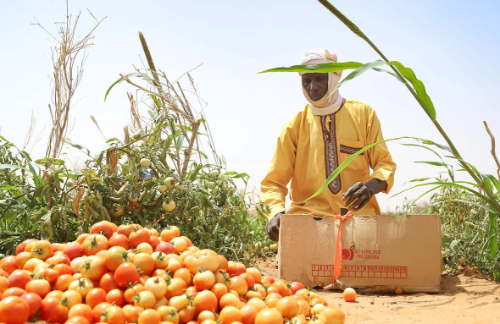
Niger launched a small-scale irrigation project to support tomato production, processing and food security in 3 regions. The project is financed by Italian cooperation with €3 million, or about CFA2 billion. It will run for 3 years across Dougueraoua in the Tahoua region, Tibiri Gobir in the Maradi region and the Tillabéri area.
The programme aims to help farmers reduce dependence on rainfall by developing small irrigation systems, securing yields and extending production cycles. It will also support local processing and encourage domestic consumption of tomatoes and other agricultural products.
Tomatoes are one of Niger’s main food crops. National production reached 103,109.16 tons between 2020 and 2024 across 2.85 million hectares. But the sector faces seasonal production, pests, losses after harvest and weak access to processing.
Agriculture Minister Mahaman Elhadj Ousmane said the project reflects confidence in Niger’s agricultural potential and will also help create jobs for young people and women. The government sees irrigation as a way to strengthen food sovereignty, reduce post-harvest losses and build a more reliable tomato value chain from production to processing.
Key Takeaways
Niger’s tomato irrigation project is small in funding terms, but it targets a major problem in the country’s agriculture system. Farmers remain highly exposed to rainfall, short production seasons and weak storage and processing capacity. That means output can rise during harvest periods but fall quickly because crops spoil or cannot reach markets in time. Small-scale irrigation can help stabilise production, extend growing seasons and reduce the risk of supply shortages. Tomatoes are a useful starting point because they are widely consumed, strategic for food security and suitable for local processing. If the project helps farmers produce more consistently, it could support processors, create jobs and reduce imports of tomato products. The challenge will be execution. Irrigation systems need maintenance, water management, farmer training, market access and processing links. If Niger and Italy can build a working model in these 3 areas, tomatoes could become a pilot for broader agricultural transformation.
Think someone else should see this?









To invest in this opportunity and other opportunities across Africa
Download the daba finance app on your mobile through


Take action.

Download app

Partner with us
Unlock exciting business opportunities and growth potential.
Join Daba
Become a part of our vibrant community and enjoy exclusive benefits.
Contact us
Reach out to us for inquiries, support, or collaboration.