


Nigeria Signs $1.3B Deal With AFC for Alumina Refinery
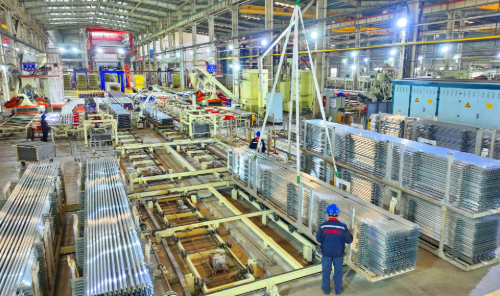
TLDR
- Nigeria signs $1.3 billion deal with Africa Finance Corporation for alumina refinery, aiming to boost local processing of bauxite and diversify the economy.
- Alumina refinery project includes capacity to process 1 million tons of bauxite yearly, with a gas-fired power plant for energy supply on site.
- Investment expected to generate $1.2 billion annually and over $25 billion in cumulative impact over 20 years, supporting mineral resource mapping and future mining projects.
Nigeria has signed a $1.3 billion agreement with the Africa Finance Corporation to build an alumina refinery that will process bauxite locally and expand the country’s role in the aluminum value chain.
The project includes a refinery with capacity to process about 1 million tons of bauxite per year using the Bayer process, a standard technology for alumina extraction. It will also feature a dedicated gas-fired power plant to secure energy supply for the site.
Authorities say the investment is part of efforts to diversify the economy away from oil and increase value addition in the solid minerals sector.
According to official projections, the refinery could generate about $1.2 billion annually for the economy. Over an estimated 20-year operating period, cumulative impact could exceed $25 billion, with foreign exchange earnings supported by alumina exports.
The agreement also includes a geoscientific mapping component to improve data on Nigeria’s mineral resources and attract further mining investment. A dedicated investment vehicle is expected to support additional projects in the sector.
For the Africa Finance Corporation, the deal reinforces its role in financing large-scale industrial infrastructure across the continent.
Key Takeaways
Nigeria holds significant bauxite and other mineral deposits but has historically exported raw materials with limited processing. By investing in an alumina refinery, the government aims to capture more value domestically and create industrial jobs. Alumina is a key input in aluminum production, used in construction, transport and packaging. Global demand is linked to infrastructure spending and energy transition sectors. However, refining is energy intensive. Reliable power supply and logistics infrastructure will be critical to the project’s viability. Nigeria’s power sector challenges have affected industrial output in the past. If executed as planned, the refinery could reduce reliance on imported alumina and position Nigeria as a regional supplier. The long-term impact will depend on project execution, global aluminum prices and policy consistency in the mining sector.
Think someone else should see this?









To invest in this opportunity and other opportunities across Africa
Download the daba finance app on your mobile through


Take action.

Download app

Partner with us
Unlock exciting business opportunities and growth potential.
Join Daba
Become a part of our vibrant community and enjoy exclusive benefits.
Contact us
Reach out to us for inquiries, support, or collaboration.