


MTN Nigeria Races Ahead in Fibre Broadband Market
TLDR
- MTN Nigeria dominates fixed broadband market in Nigeria, adding 13,433 subscribers to its fibre-to-the-home service in December 2025, while smaller providers struggle to retain users amid rising demand.
- Industry data shows significant subscriber losses among smaller operators like 21st Century Technologies and SWIFT Nigeria, highlighting the widening gap between large infrastructure providers and smaller competitors.
- MTN's substantial investment in network infrastructure, including a ₦1 trillion capital expenditure in 2025, positions them ahead with expanded fibre-to-the-home footprint and focus on modernization and deployment for high-speed connectivity.
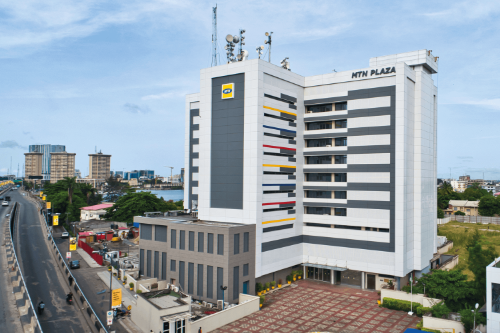
MTN Nigeria expanded its lead in Nigeria’s fixed broadband market after adding 13,433 subscribers to its fibre-to-the-home service in December 2025. The gains come as smaller providers struggle to retain users amid rising demand for high-speed internet.
Industry data from the Nigerian Communications Commission shows sharp subscriber losses among smaller operators.
21st Century Technologies saw its subscriber base fall from 175 in December to 82 in January, a drop of more than 50 percent.
SWIFT Nigeria recorded an even larger decline. The company lost 11,285 users, with total subscribers falling from 25,484 to 14,199, a 44.3 percent decrease.
The gap between large infrastructure providers and smaller operators is widening as broadband demand grows across Nigeria.
Companies with extensive fibre networks can offer faster speeds and wider coverage, while smaller competitors face higher costs and limited scale.
MTN has accelerated its investment in network infrastructure to maintain its lead.
The company spent ₦1 trillion, or about $715 million, in capital expenditure in 2025, more than double the ₦443.5 billion invested in 2024.
The investment followed a return to profitability, with profit after tax reaching ₦1.1 trillion after losses in 2024 linked to foreign-exchange pressures.
Spending focused on network modernization, 4G expansion, 5G rollout and deeper fibre deployment.
The operator expanded its fibre-to-the-home footprint to about 4 million households, concentrating deployments in Lagos, Abuja, Port Harcourt, Kano and Ibadan as data traffic rose 34 percent.
Network vandalism remains a challenge. MTN recorded 9,218 fibre cuts in 2025, an average of 25 incidents per day, affecting 211 base stations.
Key Takeaways
Nigeria’s broadband market is entering a scale phase where infrastructure investment is becoming the main competitive advantage. Telecom operators with strong balance sheets are deploying billions of naira into fibre networks to capture demand for high-speed connectivity driven by streaming, remote work, digital payments and cloud services. Fibre infrastructure also strengthens mobile networks by connecting base stations and improving 4G and 5G performance. However, the economics of building and maintaining fibre networks remain challenging in emerging markets. Infrastructure vandalism, power supply instability and high deployment costs increase operational risk. These factors make it difficult for smaller internet service providers to compete with large telecom operators that can spread costs across millions of customers. As demand for broadband continues to grow in Africa’s largest economy, the sector may see further consolidation, with dominant operators strengthening their market position while regulators face increasing pressure to maintain competition and affordable access to high-speed internet.
Think someone else should see this?









To invest in this opportunity and other opportunities across Africa
Download the daba finance app on your mobile through

Take action.

Download app

Partner with us
Unlock exciting business opportunities and growth potential.
Join Daba
Become a part of our vibrant community and enjoy exclusive benefits.
Contact us
Reach out to us for inquiries, support, or collaboration.