


Nigeria Cancels Planned 15% Fuel Import Duty

TLDR
- The Nigerian government has abandoned its plan to impose a 15 percent ad-valorem import duty on petrol and diesel
- The tariff was originally approved by President Bola Tinubu and scheduled to begin in December 2025
- Fuel marketers had warned that such a levy could restrict imports and leave Nigeria overly dependent on one source for domestic supply
The Nigerian government has abandoned its plan to impose a 15 percent ad-valorem import duty on petrol and diesel, the Nigerian Midstream and Downstream Petroleum Regulatory Authority (NMDPRA) announced during a statement this week.
The tariff was originally approved by President Bola Tinubu and scheduled to begin in December 2025. The duty was designed to help raise non-oil revenue and support the country's large new domestic refining capacity, notably the Dangote Petroleum Refinery.
Fuel marketers had warned that such a levy could restrict imports and leave Nigeria overly dependent on one source for domestic supply. The NMDPRA said ensuring adequate supply over the holiday season is a priority, noting that the duty “is no longer in view”.
The regulator reassured consumers that fuel stocks are sufficient, urged against panic buying and said it will monitor the market closely to prevent supply disruptions.
Daba's newsletter is now on Substack. Sign up here to get the best of Africa's investment landscape
Key Takeaways
The government’s decision to abandon the planned 15 percent import duty reflects the complex trade-off between protecting domestic refining and maintaining fuel-supply security and affordability. While the import duty would have strengthened Nigeria’s non-oil revenue base and supported large-scale investments like the Dangote refinery, it carried risks of higher domestic prices and reduced import flexibility. The cancellation underscores that, for now, supply-chain stability and cost concerns have taken precedence over revenue ambitions. For the downstream sector, the episode sends a signal to local refiners and importers alike: policy support may remain conditional, especially if it threatens market balance. For markets and investors, the reversal highlights how fiscal reforms tied to energy and downstream sectors can be subject to rapid adjustment. Going forward, Nigeria may revisit the duty when supply conditions improve and the refining sector is better insulated from market shocks—but the timing will depend on a sustained balance of affordability, refining output, and import dynamics.
Think someone else should see this?









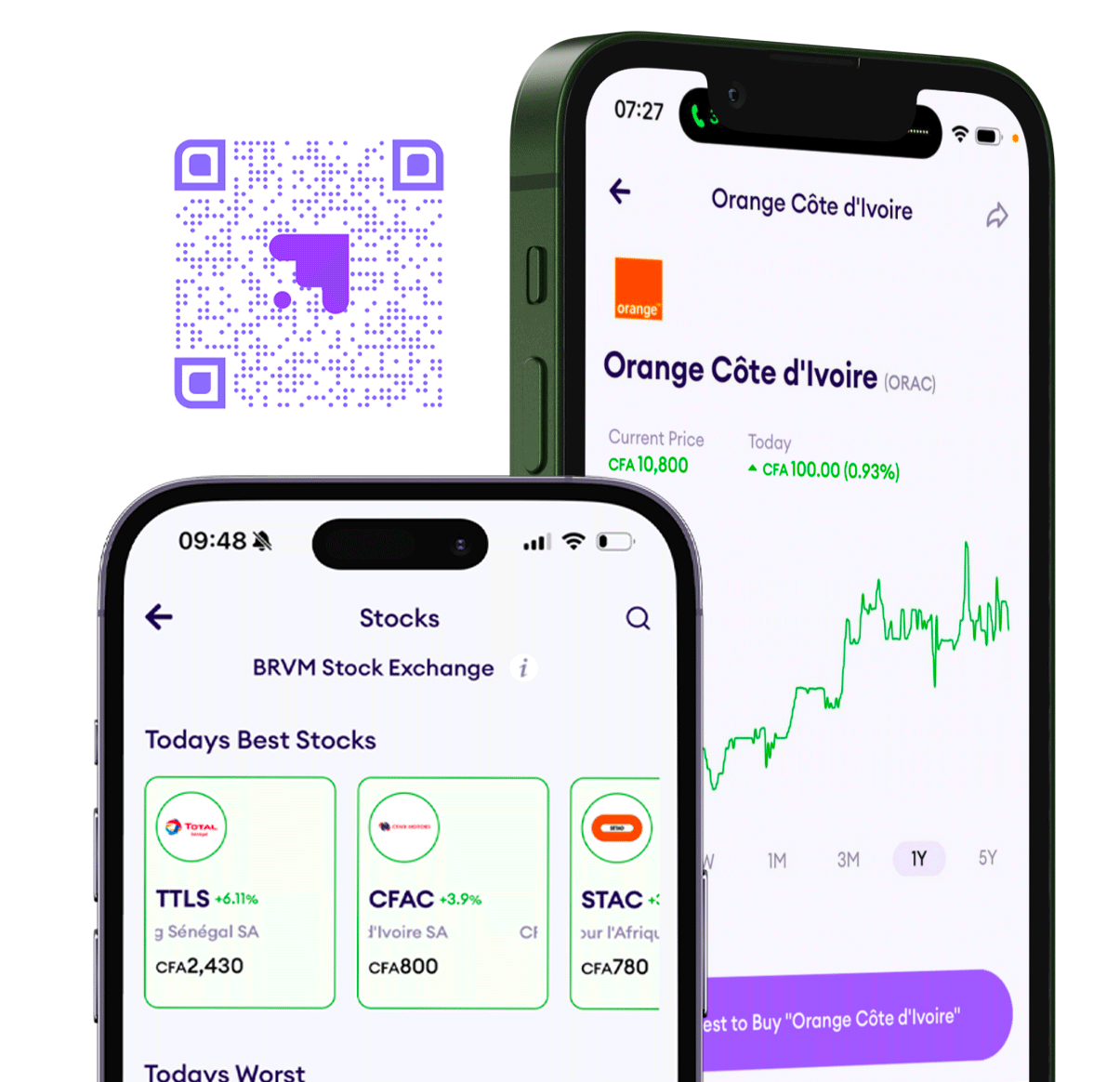
To invest in this opportunity and other opportunities across Africa
Download the daba finance app on your mobile through

Take action.

Download app

Partner with us
Unlock exciting business opportunities and growth potential.
Join Daba
Become a part of our vibrant community and enjoy exclusive benefits.
Contact us
Reach out to us for inquiries, support, or collaboration.