


Dangote Targets $40B Expansion to Scale Refining, Fertilizer Output
TLDR
- Dangote Group to invest $40 billion in refinery and fertilizer expansion to scale production and reduce import dependence.
- Capacity of Dangote Refinery to double to 1.4 million barrels per day, fertilizer output to increase from 3 to 12 million metric tonnes annually.
- Expansion reflects Africa's shift towards industrialization and aims to position Nigeria as a regional export hub for fuel and fertilizers.
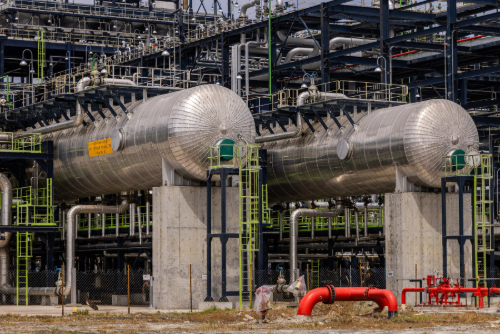
Dangote Group plans to invest at least $40 billion over the next 5 years to expand its refinery and fertilizer operations, as part of a strategy to scale production and reduce import dependence.
The plan includes more than doubling the capacity of the Dangote Refinery in Lagos from 650,000 barrels per day to about 1.4 million barrels per day. Fertilizer output is expected to increase from 3 million to 12 million metric tonnes annually.
The expansion is part of the group’s Vision 2030 roadmap, which aims to reach $100 billion in annual revenue by the end of the decade. Funding discussions involve the African Export-Import Bank, which is supporting the plan.
Financial backing includes a $4 billion senior loan, with Afreximbank contributing $2.5 billion. Nigerian authorities have also increased crude supply allocations to support refinery operations.
The move comes as global fuel and fertilizer markets face pressure from geopolitical tensions, highlighting supply risks for import-dependent economies.
Key Takeaways
Dangote’s expansion reflects a shift toward large-scale industrialisation in Africa, where private capital is building infrastructure traditionally handled by governments. Increasing refining capacity could reduce fuel imports across West Africa, lowering exposure to global price shocks and improving energy security. At the same time, scaling fertilizer production addresses a critical gap in agricultural inputs, which are often imported at high cost. If executed, the combined expansion could position Nigeria as a regional export hub for both refined fuel and fertilizers. However, the scale of the investment introduces execution and financing risks, particularly given the capital intensity and operational complexity of refining and petrochemicals. Sustained crude supply, stable policy support, and efficient operations will be key to delivering returns. For investors, the project represents a long-term bet on Africa’s industrial base and demand growth. For the continent, it signals a move toward local production and stronger supply chains in key sectors such as energy and agriculture.
Think someone else should see this?









To invest in this opportunity and other opportunities across Africa
Download the daba finance app on your mobile through

Take action.

Download app

Partner with us
Unlock exciting business opportunities and growth potential.
Join Daba
Become a part of our vibrant community and enjoy exclusive benefits.
Contact us
Reach out to us for inquiries, support, or collaboration.