


Nigeria Inflation Eases Further in November to 14.5%
TLDR
- Nigeria’s inflation eased more than expected in November, reinforcing expectations that policymakers could resume interest-rate cuts early next year
- Consumer prices rose 14.5% from a year earlier, down from 16.1% in October, data from the National Bureau of Statistics showed
- Inflation has now declined for eight consecutive months after peaking near 35% in late 2024
Nigeria’s inflation eased more than expected in November, reinforcing expectations that policymakers could resume interest-rate cuts early next year.
Consumer prices rose 14.5% from a year earlier, down from 16.1% in October, data from the National Bureau of Statistics showed. The reading was below the 15% median estimate in a Bloomberg survey. Prices also declined on a monthly basis, reflecting easing pressure across key household items.
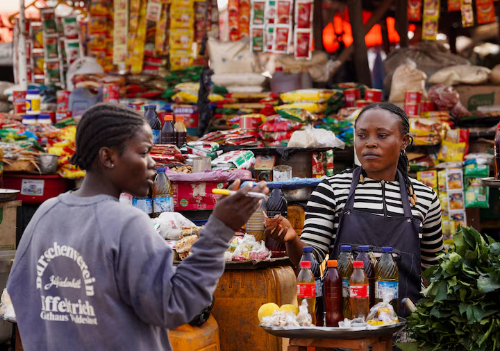
The slowdown was driven largely by food inflation, which fell to 11.1% in November from 13.1% a month earlier. Food accounts for a large share of household spending and has been the main driver of Nigeria’s cost-of-living crisis in recent years.
Inflation has now declined for eight consecutive months after peaking near 35% in late 2024. The retreat followed a revision of the consumer price index base year and changes to the weighting of goods and services, alongside improved supply conditions.
The Central Bank of Nigeria held its benchmark rate steady at its last meeting, saying it wanted clearer evidence of sustained disinflation. With headline inflation continuing to fall, economists say the case for easing policy is strengthening ahead of the bank’s February meeting.
Daba's newsletter is now on Substack. Sign up here to get the best of Africa's investment landscape
Key Takeaways
Nigeria’s inflation trend marks a turning point after several years of sharp price increases that eroded incomes and strained household budgets. While a temporary uptick is expected in December due to seasonal demand and higher spending, economists see the broader trajectory remaining downward into 2026. Lower inflation gives the central bank more room to support growth after an extended period of tight monetary policy. Interest rates were raised aggressively to curb price pressures and stabilize the currency, but those moves also weighed on credit growth and private investment. A sustained slowdown could ease borrowing costs for businesses and households, improve consumer confidence and support domestic demand. It may also reduce pressure on government finances by lowering debt-servicing costs. Risks remain. Exchange-rate volatility, fuel price adjustments and weather-related shocks to food supply could slow progress. Still, the latest data suggest inflation dynamics are improving, setting the stage for a gradual shift from inflation control toward supporting economic recovery in Africa’s largest economy.
Think someone else should see this?









To invest in this opportunity and other opportunities across Africa
Download the daba finance app on your mobile through

Take action.

Download app

Partner with us
Unlock exciting business opportunities and growth potential.
Join Daba
Become a part of our vibrant community and enjoy exclusive benefits.
Contact us
Reach out to us for inquiries, support, or collaboration.