


Nigeria Internet Penetration Reaches 53% as Telcos Expand Networks
TLDR
- Nigeria's internet penetration reached 53% in January 2026, driven by telecom operators expanding broadband networks and adding millions of new users.
- Airtel Nigeria recorded the largest monthly increase in internet subscribers, with a rise from 52% to 53.5% penetration.
- Telecom operators in Nigeria invest in expanding fibre networks, 4G coverage, and 5G infrastructure to meet increasing data demands and support the growing digital population.
Nigeria’s internet penetration reached 53% in January 2026 as telecom operators expanded broadband networks and added millions of new users, according to data from the Nigerian Communications Commission.
The growth reflects rising demand for mobile data and continued investment in network infrastructure across the country.
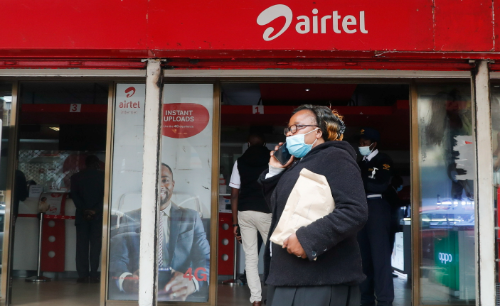
Airtel Nigeria recorded the largest monthly increase in internet subscribers. The company added more than 1.5 million users between December 2025 and January 2026. It was Airtel’s biggest monthly increase since April 2016.
Airtel’s internet penetration rose to 53.5% in January from 52% in December. The company’s internet user base grew about 10.5% year on year.
Network expansion supported the increase in users. Airtel added 2,242 new network sites in 2025, a 15.5% increase, bringing its total to about 16,711 sites nationwide.
The company also expanded its fibre-optic backbone by 25%. The project is part of its fixed internet strategy aimed at reducing reliance on microwave transmission links.
Airtel also expanded its 5G network across Nigeria’s largest cities. The operator more than doubled active 5G sites in the top 20 urban markets.
In addition, Airtel upgraded 5,032 existing sites, about 30% of its network, to handle rising data demand. The company reported a 46% increase in data traffic across its network.
MTN Nigeria also reported strong subscriber growth.
The company added 1.2 million internet users in January, bringing its total subscriber base to 81.1 million. That compares with 73.7 million users a year earlier, representing about 10% growth.
The figures show the gap widening between the largest telecom operators and smaller competitors.
Globacom, Nigeria’s third largest telecom company, added 557,243 internet subscribers in January. Its total internet user base reached 15.4 million compared with 14.8 million in December.
The operator continues to recover from subscriber losses linked to a regulatory audit by the Nigerian Communications Commission in April 2024.
T2 Mobile, previously known as 9mobile, also recorded subscriber growth.
The company added 63,574 internet users in January, bringing its total to 843,811.
Despite the expansion in users, Nigeria has not yet reached its national broadband penetration target of 70%, which the government aimed to achieve by 2025.
Telecom operators continue to invest in fibre networks, 4G coverage and 5G infrastructure to expand access to internet services.
Key Takeaways
Nigeria has the largest telecommunications market in Africa with more than 220 million mobile connections. Mobile internet remains the main channel for digital access because fixed broadband infrastructure is limited outside major cities. Telecom operators have invested billions of dollars in network infrastructure over the past decade to expand coverage and support rising data demand. The growth of smartphones, digital payments, video streaming and online services has increased data consumption across the country. Government policy also supports broadband expansion through spectrum allocation and national digital economy programs. However, infrastructure gaps remain in rural areas where network coverage and fibre backhaul are limited. The cost of spectrum licenses, power supply challenges and currency pressures also affect telecom investment. The sector is dominated by large operators including MTN, Airtel and Globacom, which control most mobile subscribers and data traffic. As digital services expand across banking, commerce and media, telecom networks remain the backbone of Nigeria’s digital economy. Continued investment in fibre networks, 4G and 5G infrastructure will be needed to increase broadband penetration and support the country’s growing digital population.
Think someone else should see this?









To invest in this opportunity and other opportunities across Africa
Download the daba finance app on your mobile through

Take action.

Download app

Partner with us
Unlock exciting business opportunities and growth potential.
Join Daba
Become a part of our vibrant community and enjoy exclusive benefits.
Contact us
Reach out to us for inquiries, support, or collaboration.