


Nigeria Inflation Slows to 15.91% Ahead of Rate Decision
TLDR
- Nigeria's annual inflation rate eased to 15.91% in June from 15.93% in May, marking the first decline since February.
- Data from the National Bureau of Statistics showed headline inflation slowed as monthly consumer prices rose 1.66%, down from 1.75% in May.
- Core inflation, excluding food and energy, fell to 15.92% from 16.82%, indicating easing underlying price pressures despite global uncertainty.
Nigeria's annual inflation rate eased to 15.91% in June from 15.93% in May, marking the first decline since February and strengthening expectations that the Central Bank of Nigeria will keep interest rates unchanged at its policy meeting later this month.
Data from the National Bureau of Statistics showed headline inflation slowed as monthly consumer prices rose 1.66%, down from 1.75% in May. Core inflation, which excludes food and energy, fell to 15.92% from 16.82%, suggesting underlying price pressures continued to ease despite global uncertainty.
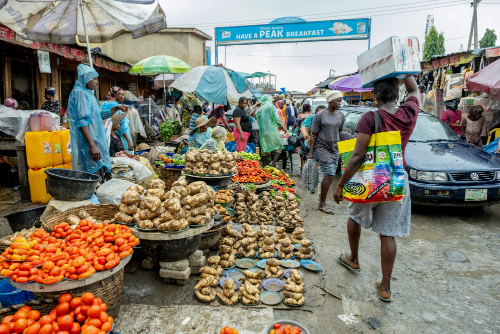
Food inflation, however, accelerated for a fifth straight month to 17.52% from 16.96%, driven by higher prices for fresh pepper, tomatoes, crayfish, beef, garri, yam, cassava flour and other staples. Housing and utility costs also increased faster, while inflation slowed for transport, clothing, restaurants and hotels, alcoholic beverages and tobacco, and other consumer services.
The inflation report comes less than two weeks before the Central Bank's Monetary Policy Committee meets on July 20-21. The committee left its benchmark interest rate unchanged at 26.50% at its last meeting after a series of rate increases aimed at slowing inflation and supporting the naira.
The naira remained relatively stable during June despite higher global oil prices linked to tensions in the Middle East, helping limit broader price increases. The government expects Nigeria's economy to expand further in 2026, with gross domestic product projected to reach about ₦530 trillion while foreign exchange reserves are forecast to rise by year-end.
Key Takeaways
Nigeria's inflation data sends mixed signals for policymakers. The small decline in headline inflation and the drop in core inflation suggest that tighter monetary policy and a more stable exchange rate are beginning to reduce underlying price pressures. However, the continued rise in food inflation remains a concern because food accounts for more than half of Nigeria's consumer price basket and has the greatest impact on household spending. Poor transport infrastructure, insecurity in farming areas, weather disruptions and high logistics costs continue to push food prices higher even as broader inflation slows. For the Central Bank, this makes an immediate rate cut unlikely. Most economists expect policymakers to leave the benchmark rate unchanged while monitoring whether the decline in core inflation continues and whether food prices begin to stabilize. Investors are also watching the outlook for the naira, which has recovered from last year's volatility as foreign exchange reforms improved market liquidity and higher oil prices supported export earnings. If exchange rate stability continues and food inflation eases during the second half of the year, Nigeria could see a more sustained decline in inflation, creating room for monetary easing in 2027 rather than later this year.
Think someone else should see this?









To invest in this opportunity and other opportunities across Africa
Download the daba finance app on your mobile through

Take action.

Download app

Partner with us
Unlock exciting business opportunities and growth potential.
Join Daba
Become a part of our vibrant community and enjoy exclusive benefits.
Contact us
Reach out to us for inquiries, support, or collaboration.