


West African Leaders Back $25B Nigeria-Morocco Gas Pipeline
TLDR
- West African leaders endorse $25 billion Nigeria-Morocco Gas Pipeline project for energy security and regional integration
- Project to span 6,800 kilometers, connecting Nigeria to Morocco through 13 West African countries
- Expected to transport 30 billion cubic meters of natural gas annually, benefiting Morocco, European markets, and West African economies
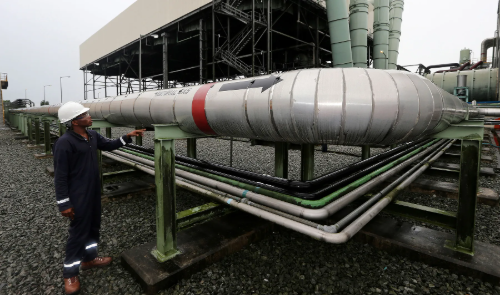
West African leaders have endorsed the Nigeria-Morocco Gas Pipeline, giving political backing to a $25 billion project designed to transport natural gas across West Africa and into Europe as the continent looks to strengthen energy security and expand regional integration.
Heads of state from the Economic Community of West African States (ECOWAS) approved the project during their summit in Sierra Leone on Sunday. The planned 6,800-kilometer pipeline will connect Nigeria to Morocco through 13 West African countries before linking with the existing Maghreb-Europe Gas Pipeline to Spain. Project developers will establish a dedicated company in Casablanca and a higher coordinating authority in Abuja to oversee financing and prepare for a final investment decision.
The pipeline is being developed by Morocco's National Office of Hydrocarbons and Mines (ONHYM) and the Nigerian National Petroleum Company (NNPC). It is expected to transport up to 30 billion cubic meters of natural gas annually, with about half of the volume serving Morocco and European markets. The project will also connect gas resources in countries including Nigeria, Senegal and Mauritania, creating new export routes while supplying participating West African economies.
The project was first proposed by Morocco in 2016 and has gained momentum as Europe seeks to diversify natural gas supplies following geopolitical disruptions in global energy markets. NNPC Chief Executive Officer Bayo Ojulari said the ECOWAS agreement provides the sovereign framework needed to move the project from planning to implementation.
Key Takeaways
The ECOWAS endorsement is one of the strongest political milestones for the Nigeria-Morocco Gas Pipeline since it was announced nearly a decade ago. While financing, engineering and commercial agreements remain to be completed, regional political support reduces one of the project's biggest risks. Beyond supplying Europe, the pipeline is designed to transform West Africa's energy market by connecting countries that currently have limited access to natural gas. The infrastructure could support electricity generation, industrial development and regional trade across participating countries while creating a new export corridor for Nigerian gas. The project also reflects growing competition over African energy routes. Algeria is pursuing the Trans-Saharan Gas Pipeline, which would carry Nigerian gas north through Niger to Algeria before connecting to Europe. Both projects seek to position Africa as a long-term supplier to European markets, but they differ in geography, security risks and participating countries. If completed, the Nigeria-Morocco pipeline would become one of the world's longest offshore and onshore gas pipelines and one of Africa's largest cross-border infrastructure projects, linking energy development with regional economic integration.
Think someone else should see this?









To invest in this opportunity and other opportunities across Africa
Download the daba finance app on your mobile through

Take action.

Download app

Partner with us
Unlock exciting business opportunities and growth potential.
Join Daba
Become a part of our vibrant community and enjoy exclusive benefits.
Contact us
Reach out to us for inquiries, support, or collaboration.