


Nigeria Plans Regional Markets Hub to Attract Cross-Border Listings

TLDR
- Nigeria plans to introduce an African depositary-receipt framework to attract foreign companies and investors, aiming to triple the market size to 750 trillion naira by 2036.
- The Securities and Exchange Commission seeks to streamline approvals, reduce fees, and enhance cross-border listings, with a focus on increasing diaspora investments and cross-border listings while expanding investment product offerings.
- Companies like Airtel Africa, Seplat Energy, and Oando are already leveraging international markets, with the SEC planning reforms to attract more businesses and enhance listing requirements for increased market participation.
Nigeria plans to introduce an African depositary-receipt framework to attract foreign companies and investors to its capital markets as part of a strategy to triple the market's size to 750 trillion naira ($562 billion) by 2036. The Securities and Exchange Commission announced the initiative on October 19, 2026, under its 10-year Capital Market Master Plan, which aims to expand cross-border listings, increase investment and position Nigeria as a financing hub for African businesses.
The proposed framework will allow companies listed on other African exchanges to access Nigerian investors through depositary receipts, securities that represent shares held by a custodian. The SEC plans to introduce streamlined approvals, reduced introductory listing fees, cross-border settlement and custody arrangements, and tax-neutral structures. It also wants to establish rules for foreign companies seeking Nigerian listings while making it easier for domestic companies to list on exchanges elsewhere in Africa.
The regulator wants to increase annual diaspora investment in Nigerian capital markets from $4 billion to $10 billion over the next decade. Assets managed by collective investment schemes are targeted to rise from $5.6 billion to $56 billion, while the number of cross-border listings is expected to increase from 5 to 40. The plan also seeks to expand corporate bond issuance, attract institutional investors and increase the range of investment products available to individuals and businesses.
Several companies already trade across Nigerian and international markets. They include Airtel Africa, Seplat Energy, Oando, Ecobank Transnational Incorporated and Guaranty Trust Holding Company. Dangote Petroleum Refinery is also using global depositary receipts to reach investors outside Nigeria through its IPO, which seeks to raise about $2.1 billion. The offering opened on September 14 and has been extended to October 27 to allow participation from more African markets.
The SEC also plans to revise listing requirements, including minimum free-float thresholds and rules permitting dual-class and multi-class share structures. The regulator wants to introduce market segments with different listing requirements and compare issuance costs with exchanges in Kenya, South Africa, Egypt and Morocco. The reforms are intended to attract more companies, including founder-led businesses seeking access to public capital while retaining control. Implementation will depend on regulatory approvals, cooperation between African exchanges and the development of settlement infrastructure.
Key Takeaways
Nigeria's proposed African depositary-receipt framework could change how companies raise capital and how investors access stocks across the continent. African equity markets remain divided by national regulations, currencies, custody systems and trading infrastructure, making it difficult for investors in one country to purchase securities listed in another. Depositary receipts provide a way to address some of these barriers by allowing investors to trade securities representing shares held in another market without purchasing those shares through a foreign exchange. For Nigerian investors, the framework could create access to companies listed on exchanges such as the Johannesburg Stock Exchange, Nairobi Securities Exchange, Egyptian Exchange and West Africa's BRVM. For companies, it could provide another source of capital and access to investors beyond their domestic markets. The Dangote Refinery IPO offers an example of how the structure could work. Kenya's Capital Markets Authority has approved a framework allowing Kenyan investors to participate through global depositary receipts, with a proposed listing on the Nairobi Securities Exchange subject to further approvals. Nigeria's plan would seek to develop arrangements of this kind across more markets. However, depositary receipts do not eliminate investment risks, including exchange-rate movements, liquidity constraints, differences in shareholder rights and settlement costs. Their success will depend on coordination between regulators, stock exchanges, custodians and brokers. The SEC's target of increasing cross-border listings from 5 to 40 would expand the number of companies accessible through regional market arrangements. The broader objective is to turn Nigeria's capital market into a source of financing for businesses across Africa while creating more investment opportunities for local and diaspora investors. Whether the plan succeeds will depend on implementation, investor participation and the cost of trading across borders.
Think someone else should see this?







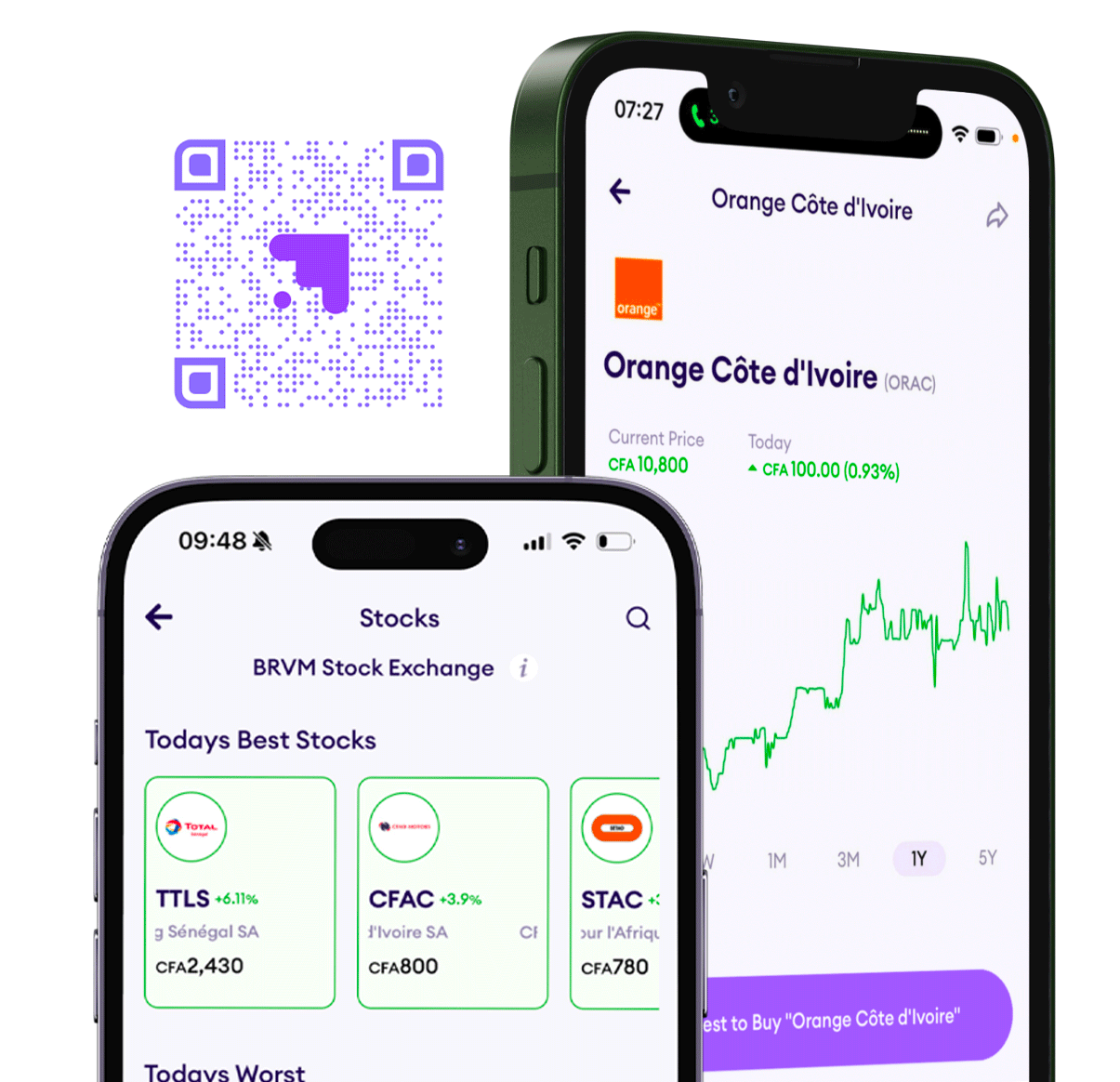
To invest in this opportunity and other opportunities across Africa
Download the daba finance app on your mobile through

Take action.

Download app

Partner with us
Unlock exciting business opportunities and growth potential.
Join Daba
Become a part of our vibrant community and enjoy exclusive benefits.
Contact us
Reach out to us for inquiries, support, or collaboration.