


Nigeria Raises Military Pay up to 80% as Security Threats Persist
TLDR
- Nigeria to increase military salaries by up to 80% from Sept. 1 to enhance troop welfare amid ongoing security challenges.
- Approximately 250,000 personnel to benefit, with junior soldiers seeing the highest pay raises.
- Expansion of army divisions and recruitment of 28,000 personnel planned to address security threats in various regions.```
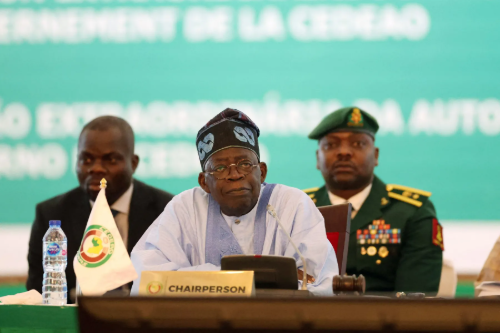
Nigeria will raise military salaries by as much as 80% from Sept. 1 as President Bola Tinubu seeks to improve troop welfare while the armed forces fight insurgents, armed gangs and kidnappers across the country. About 250,000 personnel will benefit from the new pay structure, according to the presidency.
Junior soldiers will receive the largest increases. Personnel from private to staff sergeant will get an 80% raise, while warrant officers through colonels will receive 50%. Officers above colonel, including generals, will get 30%. The changes increase the annual military wage bill to ₦924 billion from ₦660 billion, adding ₦264 billion in recurring spending.
The pay rise comes as Nigeria faces security threats across several regions. Boko Haram and Islamic State West Africa Province remain active in the northeast, while armed groups carry out attacks and kidnappings in the northwest and north-central states. Security forces also face separatist-linked violence in the southeast.
Tinubu has also approved an expansion of the army to 12 divisions from 8 and the recruitment of 28,000 personnel. New divisions are planned in Makurdi, Ilorin, Jalingo and Benin City, with the first units due to begin operations in September. The government has said the expansion will be supported by more spending on equipment, readiness and troop welfare.
The salary changes put more money into personnel costs as the government tries to improve military performance. Successive administrations have increased deployments and security spending without ending attacks. Tinubu said the government will continue to invest in weapons, technology and working conditions alongside higher salaries.
Key Takeaways
The structure of the pay increase shows where the government sees the main pressure: the soldiers doing most frontline work receive 80%, compared with 30% for senior officers. Higher wages can help recruitment, retention and morale, but they also create a cost that repeats every year. The increase adds ₦264 billion to the existing annual payroll before accounting for the planned recruitment of 28,000 more personnel. That means the military expansion will require Nigeria to fund both more troops and higher salaries while still buying weapons, vehicles, intelligence systems and other equipment. The policy also comes as households face higher living costs after changes to fuel subsidies, the exchange rate and electricity prices, making the value of existing military salaries an issue for personnel. The main test will be whether better pay translates into better retention and operational results. Nigeria’s security problems involve more than troop numbers: armed groups operate across large areas, intelligence gaps remain and deployments stretch several regions at once. The raise addresses one part of that problem. Its value will depend on whether personnel spending is matched by equipment, training, intelligence and changes that improve how forces are deployed.
Think someone else should see this?









To invest in this opportunity and other opportunities across Africa
Download the daba finance app on your mobile through


Take action.

Download app

Partner with us
Unlock exciting business opportunities and growth potential.
Join Daba
Become a part of our vibrant community and enjoy exclusive benefits.
Contact us
Reach out to us for inquiries, support, or collaboration.