


Nigeria Seeks Expanded Export Financing, Non-Interest Banking

TLDR
- NEXIM and CBN urge expanded financing for Nigerian exporters.
- Calls include licensing more non-interest banks and greater collaboration among financial institutions.
- The move aims to boost competitiveness and diversify Nigeria's economy under AfCFTA.
The Nigerian Export-Import Bank (NEXIM) and the Central Bank of Nigeria (CBN) called for expanded financing for exporters at a stakeholder forum in Abuja on Thursday. NEXIM Managing Director Abubakar Bello urged the CBN to issue more non-interest banking licences to boost export financing. CBN Governor Olayemi Cardoso, represented by Deputy Governor Isa Yuguda, also pressed commercial banks and development finance institutions to increase credit access for Nigerian exporters. The forum focused on leveraging the African Continental Free Trade Area (AfCFTA).
Mr. Bello stated that interest-based lending excludes many Nigerian entrepreneurs, limiting their participation in regional trade, and noted NEXIM is collaborating with the Islamic Development Bank for a non-interest banking window. Mr. Cardoso highlighted that businesses with confirmed export orders often lack the working capital needed for inputs, certification, production expansion, or shipment. He advised commercial banks to partner with development finance institutions, ensuring they complement commercial lending.
NEXIM partnered with SMEDAN to secure N42 billion for businesses within the export value chain, also collaborating with NEPC and Afreximbank to mobilize capital. Mr. Bello reported Nigeria’s non-oil exports reached a record $6.1 billion in 2025, with intra-African trade increasing by 21% to $9.02 billion. Since 1991, NEXIM has financed over 1,300 exporters, supporting approximately 110,000 industrial jobs.
These initiatives aim to strengthen Nigeria’s competitiveness under AfCFTA and diversify its economy away from crude oil dependence. Expanding export financing allows more businesses to access the continental market, potentially increasing non-oil exports and forex earnings. The focus on non-interest banking seeks to include entrepreneurs previously excluded from conventional lending. Addressing challenges like high energy costs, port inefficiencies, and regulatory bottlenecks is crucial for improving export reliability.
Mr. Bello urged a shift from exporting raw materials to local processing, emphasizing the "Produce, Add Value before Export" (PAVE) philosophy. He identified agro-processing, manufacturing, and services such as fintech, music, and film as key sectors to boost Nigeria’s production hub status. While AfCFTA offers market access, he cautioned preferential tariffs do not automatically ensure competitiveness. The CBN pledged to improve foreign exchange market transparency and efficiency, reminding exporters to comply with documentation and repatriation requirements.
Key Takeaways
Companies in this story
Think someone else should see this?








To invest in this opportunity and other opportunities across Africa
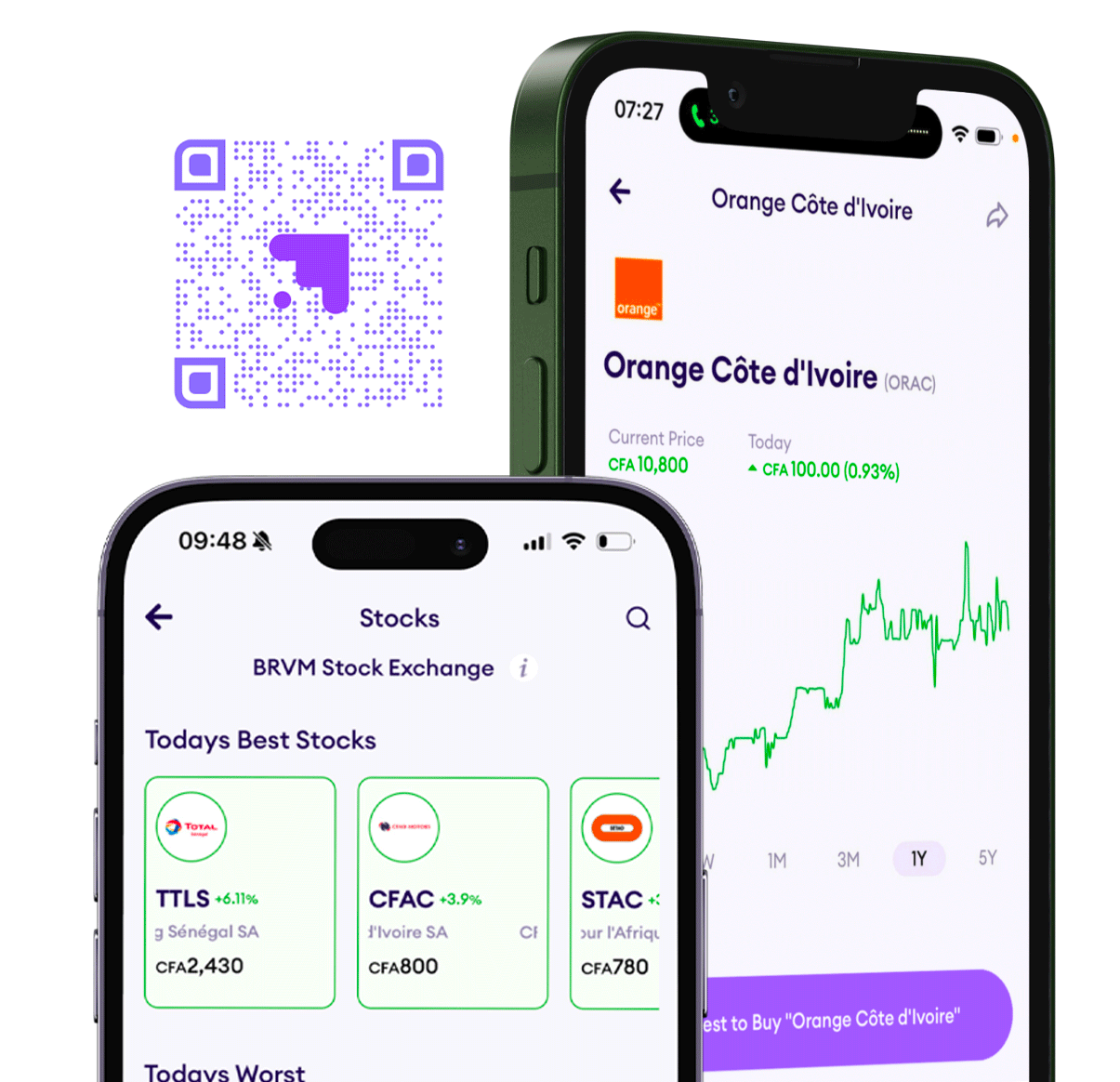
Download the daba finance app on your mobile through

Take action.

Download app

Partner with us
Unlock exciting business opportunities and growth potential.
Join Daba
Become a part of our vibrant community and enjoy exclusive benefits.
Contact us
Reach out to us for inquiries, support, or collaboration.