


Nigerian Banks Surge in African Top 100 Ranking After Recapitalisation
TLDR
- Nigerian banks made significant gains in the 2026 African Banker Top 100 ranking.
- Their combined Tier 1 capital rose 48 percent to $15.2 billion after a major recapitalisation exercise.
- This positions them for greater capacity to finance trade and expand across Africa.
Nigerian banks have made significant gains in the 2026 African Banker Top 100 ranking, released on Monday by African Business magazine. This surge follows the country's recent banking recapitalisation exercise, which concluded in March 2026. The reforms are reshaping Nigeria's standing within Africa's banking industry.
The annual survey ranks African lenders based on their Tier 1 capital, a key indicator of financial strength comprising initial capital, reserves, and retained earnings. The Central Bank of Nigeria (CBN) initiated reforms, setting new minimum capital requirements of N500 billion for international banks, N200 billion for national banks, and N50 billion for regional banks. By the March 31 deadline, 30 banks had met these thresholds, primarily through rights issues, public offerings, and other fundraising channels.
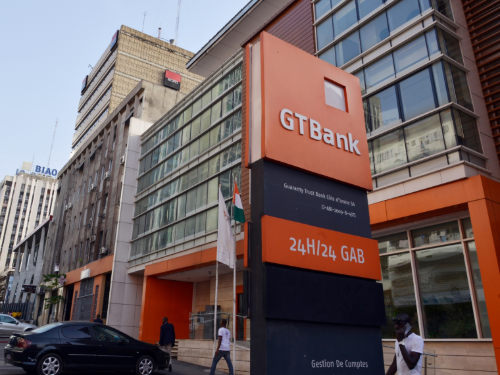
The combined Tier 1 capital of Nigerian banks increased by 48 percent, rising to $15.2 billion from $10.3 billion a year earlier, marking one of the strongest increases across major African banking markets. Nigerian lenders collectively raised over N4.65 trillion, equivalent to $3.24 billion, in fresh capital. Four Nigerian banks—Access Holdings, Guaranty Trust Bank, United Bank for Africa, and Zenith Bank—were among Africa’s 10 fastest-growing banks by Tier 1 capital in 2025. Access Holdings led the continent with a 60.9 percent growth, reaching $2.46 billion.
Stronger capital positions, cross-border expansion, and improving domestic economic conditions are transforming Nigeria's banking landscape. The recapitalisation has enabled Nigerian banks to make a significant comeback in the rankings, reversing previous declines caused by naira depreciation. This enhanced financial strength provides greater capacity for banks to finance trade, infrastructure, and businesses, addressing Africa's persistent financing gap.
The recapitalisation program was one of Nigeria's most extensive banking reforms in two decades, positioning the country's banks with "more financial firepower than ever," according to African Business. This improved capital base supports the pan-African strategies increasingly pursued by lenders like United Bank for Africa and Access Holdings, who operate across multiple markets. The latest rankings signal a renewed capacity for strategic expansion and economic contribution across the continent.
Key Takeaways
Companies in this story
Think someone else should see this?









To invest in this opportunity and other opportunities across Africa
Download the daba finance app on your mobile through

Take action.

Download app

Partner with us
Unlock exciting business opportunities and growth potential.
Join Daba
Become a part of our vibrant community and enjoy exclusive benefits.
Contact us
Reach out to us for inquiries, support, or collaboration.