


Nigerian Stocks Hit Record as FTSE Frontier Return Drives Rally
TLDR
- Nigerian stocks reached a new record on September 21 after returning to FTSE Russell's Frontier Market classification.
- Banks led sector gains with NGX Banking Index rising 2.1%, while industrial goods, insurance, and consumer goods also saw increases.
- FTSE Russell's reclassification reflects improvements in FX liquidity and market access, coinciding with ongoing funding for Dangote Refinery's IPO.
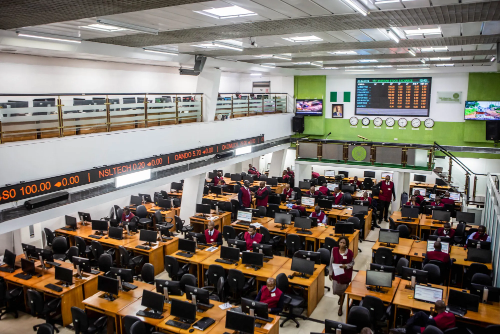
Nigerian stocks reached another record on September 21 as the country returned to FTSE Russell’s Frontier Market classification after almost 3 years. The NGX All-Share Index gained 0.14% to 250,156.80 points, while market capitalisation rose ₦228.25 billion to a record ₦162.39 trillion. The index is now up 60.76% in 2026.
The session extended the market’s rally to 8 trading days. Activity also increased, with 574.19 million shares worth ₦38.06 billion changing hands. The number of deals rose about 55% to 68,655. Market breadth was positive, with 39 stocks advancing against 25 decliners, suggesting demand extended beyond a small group of large companies.
Banks led sector gains, with the NGX Banking Index rising 2.1%. Industrial goods gained 0.5%, while insurance and consumer goods each advanced 0.3%. Oil and gas fell 0.4%. GTCO gained 3%, Transcorp rose 6.8% and NASCON increased 10%. Zenith Bank was the most traded stock, with 53.58 million shares worth ₦9.90 billion exchanged.
FTSE Russell’s reclassification places Nigeria back in global Frontier Market benchmarks after the country was removed in 2023 because foreign investors faced problems accessing foreign currency and repatriating capital. The change follows improvements in FX liquidity and market access.
The return comes while investors are also funding Dangote Refinery’s ₦2.15 trillion IPO, which remains open until October 13. Brokers said domestic demand has helped absorb sales from investors raising cash for the offer, while foreign managers are beginning to reassess Nigerian equities after the FTSE change.S
Key Takeaways
The record close matters because Nigeria’s FTSE return changes how the market is viewed by international fund managers, but the effect will take time to measure. Index inclusion gives passive and active frontier-market funds a benchmark reason to hold Nigerian stocks, especially larger and more liquid companies. That can improve trading volumes and foreign participation, but reclassification does not mean billions of dollars arrive immediately. Managers still consider currency risk, liquidity, valuations and their ability to move money out of the country. The timing also overlaps with the Dangote Refinery IPO, which is seeking ₦2.15 trillion from investors. Instead of causing a broad selloff, the market has continued rising, suggesting local liquidity has so far absorbed some of the cash being redirected toward the offer. The wider breadth on September 21 also matters: 39 stocks gained compared with 25 declines, rather than the index being lifted only by a few large companies. With the ASI already up more than 60% this year, the next phase will depend less on reclassification headlines and more on earnings, dividends and foreign inflows. Year-end data will provide a better measure of whether FTSE inclusion has changed the market’s investor base.
Think someone else should see this?









To invest in this opportunity and other opportunities across Africa
Download the daba finance app on your mobile through

Take action.

Download app

Partner with us
Unlock exciting business opportunities and growth potential.
Join Daba
Become a part of our vibrant community and enjoy exclusive benefits.
Contact us
Reach out to us for inquiries, support, or collaboration.