


Nigeria Benchmark Stocks Index Crosses 250,000-Point Mark
TLDR
- Nigerian stocks surge in 2026, with the NGX All-Share Index hitting record levels, driven by a 61.42% gain in naira terms and 75.67% in US dollars.
- Nigeria re-enters FTSE Russell’s Frontier Market classification, boosting global fund managers' interest in Nigerian companies, particularly in banks, telecoms, and energy sectors.
- Central Bank of Nigeria's rate cut to 23% on September 22 stimulates equity market with lower rates impacting fixed-income securities, driving demand for equities, especially in banking and oil sectors.
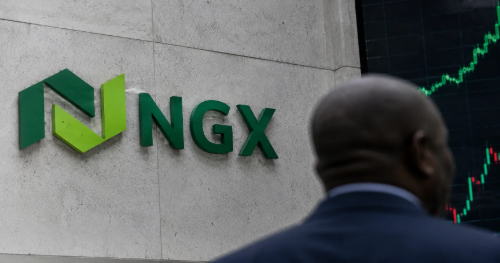
Nigerian stocks extended their 2026 rally to a record on September 23, with the NGX All-Share Index closing at 251,191.02 points. The benchmark has gained 61.42% in naira terms this year and about 75.67% in US dollars, helped by a stronger currency. Equity market capitalization moved above ₦162 trillion.
The rally has continued after Nigeria returned to FTSE Russell’s Frontier Market classification on September 21 following a 3-year absence. The change puts Nigerian companies back into benchmarks used by global fund managers. Banks, telecommunications companies and energy stocks have been among the main beneficiaries as investors adjust portfolios.
Monetary policy has added another catalyst. The Central Bank of Nigeria cut its policy rate by 350 basis points to 23% on September 22 as inflation eased to 15.39%. Lower rates can reduce the returns available on fixed-income securities and increase demand for equities, while reducing financing costs for companies.
Banking and energy remain among the strongest parts of the market. The NGX Banking Index was up more than 74% this year by September 18, while oil and gas had gained about 126%. Aradel, Seplat Energy and several banks have benefited from earnings growth, higher asset values and changes to Nigeria’s oil and financial sectors.
The rally is taking place while Dangote Refinery seeks ₦2.15 trillion through its IPO. Concerns that the offer would drain liquidity from existing stocks have not stopped the market advance. The next test will be whether foreign flows, earnings and domestic demand can support prices after gains of more than 60% in less than 9 months.
Key Takeaways
Nigeria’s stock rally is being supported by several changes happening at the same time rather than one event. The return to FTSE Frontier status gives international funds a reason to reconsider Nigerian equities after foreign-exchange problems pushed the country out of the index in 2023. The naira’s recovery has also changed returns for foreign investors: a 61.42% gain in local currency becomes about 75.67% in dollar terms when currency appreciation is included. At home, the Central Bank’s decision to cut its policy rate to 23% reduces part of the yield advantage offered by fixed-income assets and can make equities more competitive for local capital. Corporate earnings provide another source of support, particularly in banking, energy and industrial companies. The Dangote Refinery IPO adds a separate test of market depth because investors are funding a ₦2.15 trillion offer while buying existing shares. Still, a 60% gain raises the amount of growth already reflected in prices. The next phase will depend on whether company profits, dividends, foreign participation and economic growth keep pace with valuations. If those fundamentals slow, the same concentration in large banks, energy companies and other index-heavy stocks that helped lift the market can also increase swings when investors take profits.
Think someone else should see this?









To invest in this opportunity and other opportunities across Africa
Download the daba finance app on your mobile through

Take action.

Download app

Partner with us
Unlock exciting business opportunities and growth potential.
Join Daba
Become a part of our vibrant community and enjoy exclusive benefits.
Contact us
Reach out to us for inquiries, support, or collaboration.