


Securities Income, Fee Growth Drive 53% Rise in NSIA Banque Q1 Profit
TLDR
- NSIA Banque Côte d'Ivoire, part of NSIA Group, experienced a 53% profit surge driven by securities income and commission growth.
- Net banking income increased by 28% to 28.6 billion FCFA ($51.1 million), with a focus on securities activities for revenue growth.
- The bank anticipates continued momentum in 2026 through digital banking investment, financial inclusion initiatives, and prudent risk management.
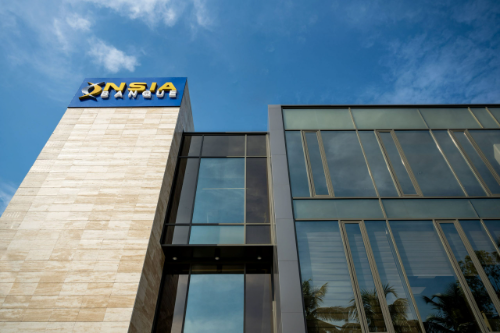
NSIA Banque Côte d'Ivoire, the Abidjan-based lender and banking arm of the NSIA Group, delivered the strongest profit growth of any large bank in the WAEMU zone reporting this quarter, with net profit jumping 53% to 10.9 billion FCFA ($19.5 million) — a result driven primarily by securities income and commission growth rather than traditional loan-driven interest.
Net banking income rose 28% to 28.6 billion FCFA ($51.1 million), with management pointing to higher revenues from securities activities as the main driver. Banks that actively manage government bond portfolios can generate significant gains when yields move or when they sell securities at a profit, and that appears to be what happened here.
The pre-tax result rose 49% to 11.8 billion FCFA ($21.1 million), reflecting both the income growth and cost control. The bank explicitly cited improved commission income and controlled risk costs as supporting factors alongside the securities gains.
The balance sheet stayed broadly stable compared with year-end 2025 positions, with loans at 1.74 trillion FCFA ($3.1 billion) and deposits at 2.16 trillion FCFA ($3.9 billion). The loan-to-deposit ratio of around 80% is higher than most WAEMU peers, indicating NSIA Banque is deploying more of its deposits into credit than the cautious stance seen at some competitors.
NSIA said the momentum is expected to continue through 2026, supported by digital banking investment, financial inclusion initiatives, and prudent risk management.
Key Takeaways
NSIA Banque is the banking subsidiary of the NSIA Group, a pan-African financial services conglomerate with operations in insurance, banking, and real estate across 14 African countries. The insurance parent gives NSIA Banque a structural advantage in cross-selling and in accessing premium-paying clients who are already in the NSIA ecosystem — a distribution synergy that pure banks cannot easily replicate. The 53% profit jump, if taken at face value, is exceptional, but the disclosure that securities activities were the primary driver adds a caveat: securities gains can be lumpy and non-recurring, depending on market conditions and portfolio management timing. If WAEMU government bond yields moved favourably in Q1 — which is plausible given global rate dynamics — a bond portfolio that marked to market or was partially sold could generate substantial one-time income. That would make Q1 2026 a high-water mark for securities income rather than the start of a new earnings run-rate. The commission growth, by contrast, is more durable. For investors, the question is what proportion of the 28% net banking income growth is repeatable in Q2 and beyond. A bank growing commissions sustainably at double-digit rates on a rising deposit base is a structural story; a bank that booked a large securities gain in one quarter is a different conversation.
Think someone else should see this?









To invest in this opportunity and other opportunities across Africa
Download the daba finance app on your mobile through

Take action.

Download app

Partner with us
Unlock exciting business opportunities and growth potential.
Join Daba
Become a part of our vibrant community and enjoy exclusive benefits.
Contact us
Reach out to us for inquiries, support, or collaboration.