


Paystack Enters Nigerian Banking With Microfinance Acquisition
TLDR
- Paystack, owned by Stripe, expands into banking with the acquisition of Ladder Microfinance Bank to offer deposits and lending services, moving beyond payments.
- The newly named Paystack Microfinance Bank aims to provide business loans initially, followed by consumer products and banking-as-a-service offerings to fintechs and businesses.
- Paystack's strategic move addresses the demand for comprehensive financial services beyond payments, leveraging real-time payment data for credit underwriting and tapping into Nigeria's significant SME financing gap.
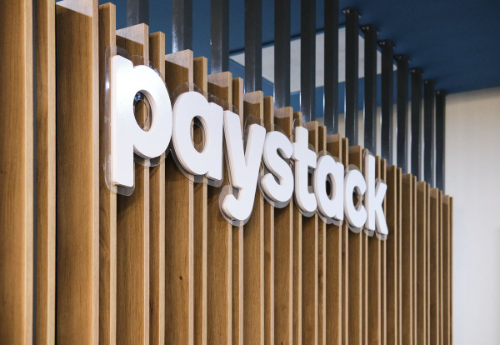
Paystack, the Nigerian fintech owned by Stripe, has moved into banking with the acquisition of Ladder Microfinance Bank, giving it the ability to hold deposits and lend after a decade focused on payments.
The acquired lender will operate as Paystack Microfinance Bank, a sister company to Paystack’s payments business. The bank will start by lending to businesses before expanding into consumer products, according to the company. It also plans to offer banking-as-a-service products to fintechs and businesses building financial tools.
Paystack said the move reflects demand from its merchant base for services beyond payments. The company processes trillions of naira each month for more than 300,000 Nigerian businesses and now aims to offer them deposits, credit, and treasury products.
The bank will run independently, with its own licence and governance, while collaborating with Paystack’s payments arm within regulatory limits. Existing partnerships with commercial banks used for payment processing will remain unchanged.
The acquisition follows Paystack’s recent push into consumer services, including the launch of its Zap payments app, and marks a shift toward higher-margin parts of Nigeria’s financial stack.
Daba's newsletter is now on Substack. Sign up here to get the best of Africa's investment landscape
Key Takeaways
Paystack’s move into banking signals a structural shift rather than a simple product extension. Payments made the company a core checkout layer for Nigeria’s digital economy, but left it dependent on partner banks to hold funds and settle transactions. By adding a microfinance bank, Paystack gains control over deposits, liquidity, and lending, areas where margins are higher and where small businesses face the most friction. Nigeria’s SME financing gap is estimated at $32 billion, and access to real-time payment data gives Paystack an edge in underwriting credit using live cash-flow information. The strategy contrasts with digital banks that started with deposits and retail accounts before adding payments. Paystack is approaching banking from the infrastructure layer upward, using payments data to inform lending and treasury services. Competition will be intense, spanning traditional microfinance banks, digital lenders, and embedded-finance players that already combine payments, deposits, and credit. Still, owning a banking licence allows Paystack to reduce reliance on legacy institutions and test new financial products while staying within lighter regulatory bounds than a full commercial bank.
Think someone else should see this?









To invest in this opportunity and other opportunities across Africa
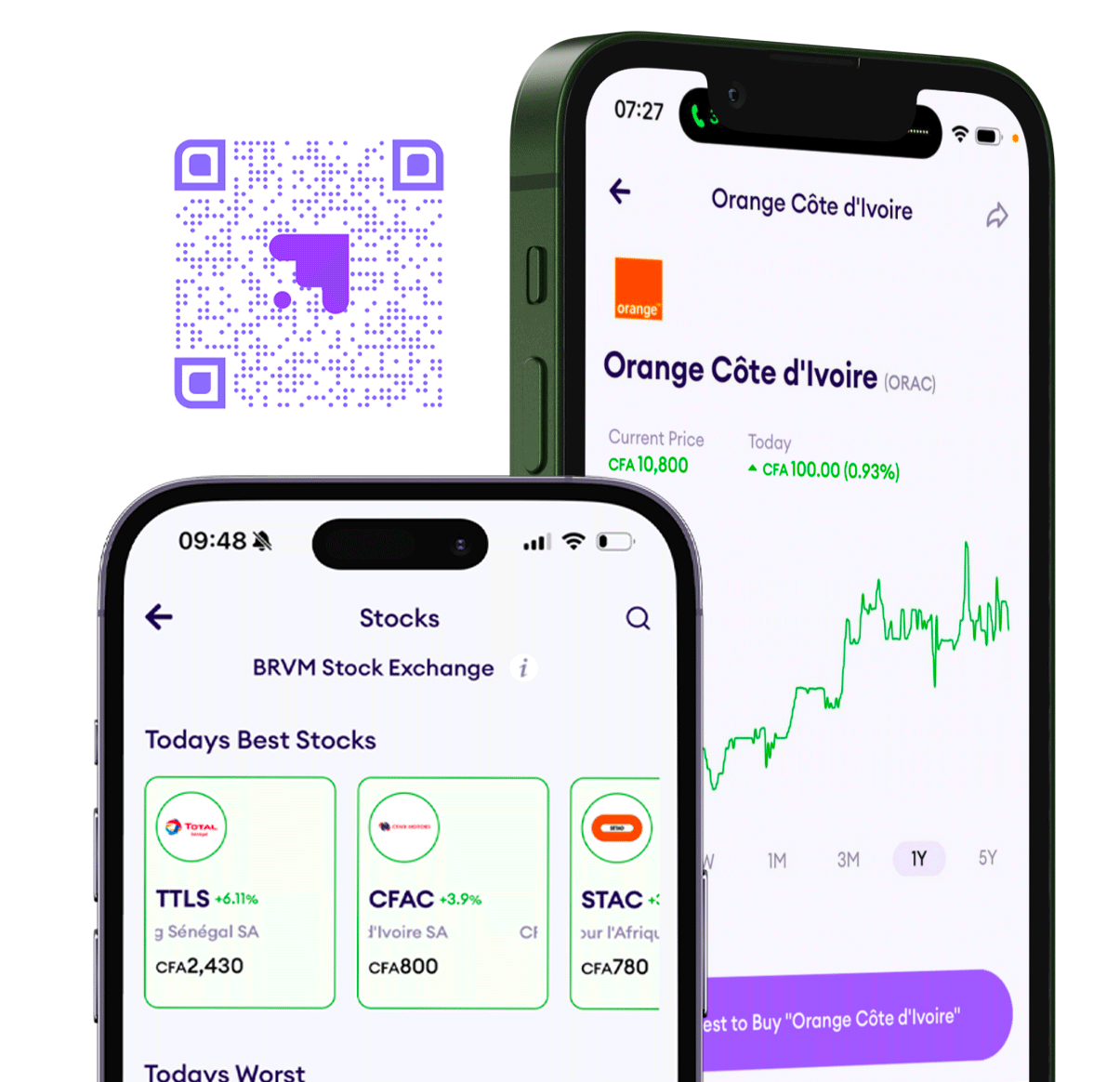
Download the daba finance app on your mobile through

Take action.

Download app

Partner with us
Unlock exciting business opportunities and growth potential.
Join Daba
Become a part of our vibrant community and enjoy exclusive benefits.
Contact us
Reach out to us for inquiries, support, or collaboration.