


Petrobras Takes 90% Stakes in Ivorian Offshore Blocks
TLDR
- Petrobras signs production-sharing contracts for 8 offshore exploration blocks in Côte d’Ivoire, expanding presence in Africa.
- Petrobras to operate each block with a 90% stake, partnering with state-owned Petroci holding 10%.
- Deal aligns with Petrobras’ strategy to focus on Africa as main exploration region outside Brazil for new oil and gas reserves.
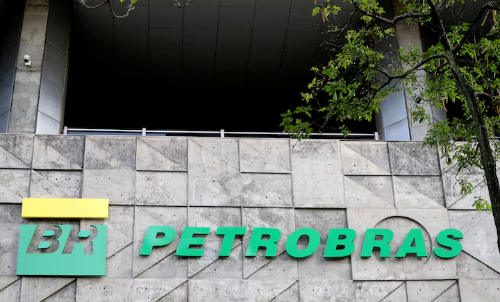
Brazil’s Petrobras has signed production-sharing contracts for 8 offshore exploration blocks in Côte d’Ivoire, expanding its presence in Africa as it looks for new oil and gas reserves outside Brazil. Petrobras will operate each block with a 90% stake, while state-owned Petroci will hold the remaining 10%.
The contracts cover blocks CI-513, CI-600, CI-601, CI-602, CI-603, CI-605, CI-701 and CI-702. Petrobras said the areas lie along Africa’s equatorial margin and share geological features with offshore basins in Brazil, where the company has built experience in deepwater exploration and production.
The deal advances a strategy outlined by Chief Executive Officer Magda Chambriard to make Africa Petrobras’ main exploration region outside Brazil. The company returned to African exploration in 2024 and now holds interests in São Tomé and Príncipe and South Africa. It has also agreed to acquire a 42.5% interest in an offshore Namibian block, subject to regulatory approval.
Petrobras plans to spend $7.1 billion on exploration between 2026 and 2030 as it seeks to replace reserves and develop new production sources. The company is targeting exploration at home and in countries where geology may resemble Brazil’s Atlantic offshore basins.
For Côte d’Ivoire, the contracts bring another oil major into a sector that has attracted investment following offshore discoveries and new production projects. Exploration will still require seismic studies, drilling and commercial discoveries before any of the blocks can move into production.
Key Takeaways
The 8-block deal gives Petrobras a large operating position in Côte d’Ivoire but does not mean new oil production is close. Exploration blocks can take years to move from geological studies to drilling, discovery and development, and some never produce commercial volumes. The value for Petrobras is the size of the option it is securing. The company controls 90% of 8 areas in a basin it believes shares geological features with Brazil’s offshore margin. That fits its plan to spend $7.1 billion on exploration through 2030 and reduce dependence on mature assets by finding new reserves. Africa has become part of that strategy because Petrobras can apply skills developed in Brazil’s deep and ultra-deep waters to similar Atlantic geology. Its portfolio now stretches from São Tomé and Príncipe to South Africa, Namibia and Côte d’Ivoire. For Côte d’Ivoire, Petrobras adds another company with capital and offshore operating experience to an upstream sector already drawing international investment. Petroci’s 10% stake also keeps the state company involved if discoveries are made. The next milestones will be technical studies and drilling decisions, which will show whether the acreage can move from exploration rights to commercial reserves.
Think someone else should see this?









To invest in this opportunity and other opportunities across Africa
Download the daba finance app on your mobile through

Take action.

Download app

Partner with us
Unlock exciting business opportunities and growth potential.
Join Daba
Become a part of our vibrant community and enjoy exclusive benefits.
Contact us
Reach out to us for inquiries, support, or collaboration.