


Rand Rally Pulls $1.4B into South African Bonds
TLDR
- Foreign investors returning to South African government bonds due to stronger rand and high local yields boosting returns
- Net R23.1 billion ($1.43 billion) bought in government debt in the first week of August, largest weekly inflow since January
- South Africa's fiscal position and currency stability crucial for sustaining bond returns
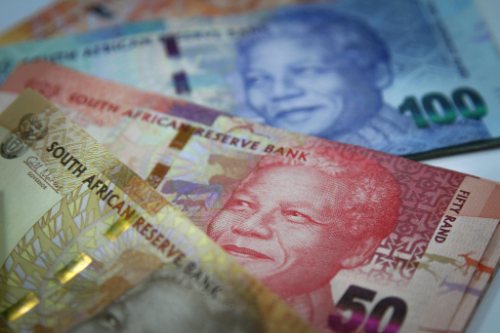
Foreign investors are returning to South African government bonds as a stronger rand and high local yields lift returns from the carry trade.
Global investors bought a net R23.1 billion ($1.43 billion) of government debt in the first week of August, the biggest weekly inflow since January, according to JSE data. The purchases helped the dollar-funded rand carry trade return 2.5% so far this month, the best performance among 22 emerging-market currencies tracked by Bloomberg.
The move follows a reversal in South African bond markets since March, when the war in Iran pushed oil prices higher and raised inflation concerns. The 10-year government bond yield has since fallen more than 80 basis points to about 8.57% as crude prices eased and the rand strengthened. The currency has gained about 5% against the dollar since the end of March, reducing the risk that foreign investors lose bond returns through exchange-rate weakness.
The South African Reserve Bank kept its policy rate at 7% in July after raising it in May. Inflation reached 5% in June, above the bank’s 3% target, with fuel prices driving much of the increase. The bank expects inflation to remain above 4% until early 2027. The gap between South African and US interest rates remains a key support for the rand and the carry trade.
South Africa’s fiscal position is also helping demand. The government recorded a primary surplus of 1.1% of GDP in the 2025/26 financial year, above its budget estimate, while the main budget deficit narrowed to 4.3% of GDP. Lower borrowing needs and stronger revenue have supported bonds after 2 years of gains. Foreign demand has also recovered since March’s selloff. Still, oil prices, inflation and shifts in US interest-rate expectations remain risks for investors. Currency stability will determine whether those returns can last.
Key Takeaways
South Africa’s bond rally matters because foreign investors are being paid in 2 ways: through high local interest rates and through a rand that has strengthened against the dollar. That combination makes the carry trade more attractive, but it can reverse if the currency weakens. The backdrop has improved from March, when higher oil prices pushed bond yields up and raised concern about inflation. Since then, the rand has recovered, oil pressure has eased and government finances have come in better than expected. Treasury reported a 1.1% primary surplus for 2025/26, while the budget deficit narrowed to 4.3% of GDP. The Reserve Bank is also maintaining a 7% policy rate as it works toward a 3% inflation target. That keeps South African yields above those in many developed markets and supports overall demand from global investors. The main risk is that inflation stays high or the US Federal Reserve turns more hawkish, which could strengthen the dollar and reduce the rand’s advantage. Investors are therefore betting that South Africa can keep inflation under control while fiscal consolidation continues. If that holds, foreign demand could remain a source of support for the rand and government bonds through the rest of 2026.
Think someone else should see this?









To invest in this opportunity and other opportunities across Africa
Download the daba finance app on your mobile through

Take action.

Download app

Partner with us
Unlock exciting business opportunities and growth potential.
Join Daba
Become a part of our vibrant community and enjoy exclusive benefits.
Contact us
Reach out to us for inquiries, support, or collaboration.