


Safaricom Raises $154M As Bond Sale Draws Strong Demand
TLDR
- Safaricom Plc raised KES 20 billion ($154 million) from the first tranche of its medium-term note programme after investor demand came in at almost three times its initial target
- The company had planned to raise KES 15 billion, but subscriptions reached about KES 41.4 billion, a 275.7% uptake
- The excess demand led Safaricom to exercise a KES 5 billion greenshoe option, allowing it to increase the size of the issue
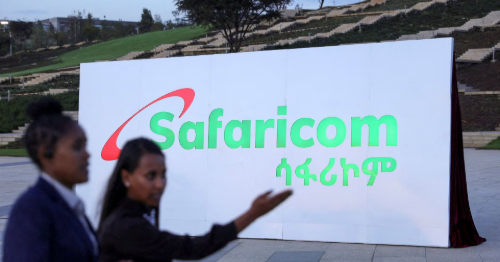
Safaricom Plc raised KES 20 billion ($154 million) from the first tranche of its medium-term note programme after investor demand came in at almost three times its initial target.
Kenya’s largest telecommunications company had planned to raise KES 15 billion, but subscriptions reached about KES 41.4 billion, a 275.7% uptake. The excess demand led Safaricom to exercise a KES 5 billion greenshoe option, allowing it to increase the size of the issue.
The bond sale, which closed on December 5, is the first tranche under a KES 40 billion programme approved by Kenya’s Capital Markets Authority in November. The notes will be listed on the Nairobi Securities Exchange, giving investors a tradable fixed-income asset from one of the country’s most valuable companies.
Safaricom said the strong response reflected confidence in its credit profile and long-term prospects. The Nairobi Securities Exchange said the transaction showed the depth of local liquidity and the market’s ability to support large corporate fundraising.
Safaricom can return to the market to raise the remaining balance under the programme. The company has said future tranches could include green or social bonds to finance projects aligned with sustainability goals.
Daba's newsletter is now on Substack. Sign up here to get the best of Africa's investment landscape
Key Takeaways
Safaricom’s oversubscribed bond sale highlights renewed appetite for Kenyan corporate debt amid tight global borrowing conditions. Local institutional investors, including pension funds and asset managers, continue to favour established companies with stable cash flows over riskier assets. The transaction also reflects a broader shift in Kenya’s capital markets, where large corporates are increasingly turning to local debt instead of bank loans. Bonds offer longer tenors, predictable pricing, and access to a wider pool of capital, while helping deepen the domestic fixed-income market. For Kenya’s economy, the strong demand signals confidence despite fiscal pressure and high interest rates. It also shows that local savings can fund major corporate investment without relying on foreign capital. As more issuers tap the market, regulators and exchanges are pushing for product diversity, including green and social bonds, to channel capital into infrastructure, climate, and digital projects.
Think someone else should see this?









To invest in this opportunity and other opportunities across Africa
Download the daba finance app on your mobile through

Take action.

Download app

Partner with us
Unlock exciting business opportunities and growth potential.
Join Daba
Become a part of our vibrant community and enjoy exclusive benefits.
Contact us
Reach out to us for inquiries, support, or collaboration.