


Nigeria's Sahara Power Starts $12M Lagos Gas Plant
TLDR
- Sahara Power inaugurates $12 million gas power plant in Lagos to provide more reliable electricity
- Project targets area where reliance on diesel and petrol generators is high due to limited grid electricity availability
- Private investment in local power generation reflects shifting market dynamics towards decentralized electricity systems
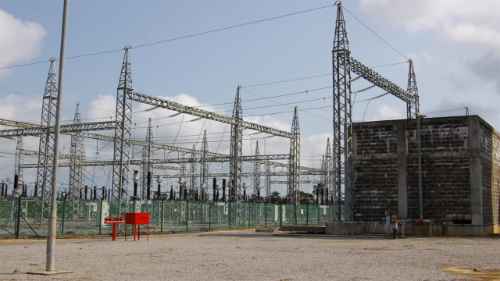
Sahara Power Enterprise Group has started construction of a $12 million gas-fired power plant in Lagos as the company seeks to supply businesses and communities with more reliable electricity. The 12 MW independent power plant is being built within Ikeja Electric’s Ogba network and is scheduled for completion in the first quarter of 2027.
The facility will comprise 6 generating units of 2 MW each and will supply industrial clusters, businesses, homes and public institutions across Ogba, Acme Road, Wemco Road and surrounding areas. Cummins West Africa was awarded the construction contract.
The project targets an area where companies often rely on diesel and petrol generators when grid electricity is unavailable. Nigeria has more than 13,000 MW of installed grid-connected generation capacity, but only about 4,000 MW was available for dispatch in April 2026, according to regulatory data.
Sahara Power said the plant will bring electricity generation closer to customers, reducing supply interruptions and supporting production in one of Lagos’s industrial areas. The investment comes as Nigeria moves toward a more decentralised electricity market. Under the Electricity Act 2023, states can regulate their own intrastate power markets, and Lagos assumed responsibility for its market in 2025.
The project adds to private investment in power generation as companies seek alternatives to the national grid. Sahara Power operates electricity assets across Nigeria and is part of Sahara Group, whose businesses span energy production, distribution and infrastructure.
Key Takeaways
The 12 MW plant is small compared with Nigeria’s national electricity needs, but its location and structure show how the power market is changing. Instead of waiting for more generation to be added to the national grid, private operators are building plants close to customers that are willing to pay for more dependable supply. Nigeria had 13,625 MW of installed grid-connected capacity in April 2026, but only about 4,286 MW was available for dispatch, leaving businesses to fill the gap with generators and other private sources. Lagos also now has more control over its electricity market following reforms that transferred intrastate regulation from the federal regulator to state authorities. That could make projects such as Sahara Power’s easier to structure around local demand and tariffs. Gas-fired plants offer another advantage for industrial users because they can provide continuous generation when solar or other intermittent sources cannot. The test will be price. Businesses will switch from generators or existing grid supply only if the plant can offer electricity at a cost that improves their operations. If the Ogba project works, similar plants could become part of a wider shift toward smaller power systems built around industrial and commercial clusters rather than relying only on Nigeria’s national grid.
Think someone else should see this?









To invest in this opportunity and other opportunities across Africa
Download the daba finance app on your mobile through


Take action.

Download app

Partner with us
Unlock exciting business opportunities and growth potential.
Join Daba
Become a part of our vibrant community and enjoy exclusive benefits.
Contact us
Reach out to us for inquiries, support, or collaboration.