


Senegal Consumer Prices Rise 1.6% Amid Economic Tensions

TLDR
- Consumer prices in Senegal rose 1.6% year-over-year in October 2026.
- This increase is primarily due to rising costs for food, housing, and educational services.
- The National Agency for Statistics and Demographics released these figures amid a challenging economic climate.
Consumer prices in Senegal rose 1.6% year-over-year in October 2026, according to data released by the National Agency for Statistics and Demography (ANSD). This increase reflects a broader inflationary trend affecting the West African nation. The rise occurred against a backdrop of economic strain, as highlighted by the national statistics agency.
The main drivers of this inflation were significant price increases in essential categories. Food and non-alcoholic beverages recorded a 2.1% increase, while restaurant and lodging services also rose by 2.1%. In addition, goods and services related to personal care, social protection, and miscellaneous goods rose by 1.9%, with health products and services up by 1.8%. Other sectors, such as recreation, sports, and culture, as well as clothing and footwear, contributed to the overall upward trend.
On a monthly basis, prices for food and non-alcoholic beverages rose by 0.4%, driven by sharp increases in vegetables—particularly leafy vegetables—which surged by 17.9%. Tropical fruits rose by 7.2%, dried fruits by 6.1%, and citrus fruits by 4.6%. Education services also saw a monthly increase of 2.4%, mainly due to tuition hikes for the 2026–2027 school year. Housing-related costs, including electricity and water, rose by 0.9% month-over-month, with electricity rates up 3.8% and water rates up 1.9% amid strong demand.
This persistent inflation poses challenges for both consumers and businesses in Senegal. Rising costs for food, energy, and services can erode consumers’ purchasing power, which could dampen overall demand for goods and services. For businesses, higher input costs could squeeze profit margins, particularly for those in the food processing, hospitality, and retail sectors. Investors may view sustained inflation as a risk to economic stability, influencing investment decisions in the markets and corporate performance.
The ANSD report highlights the various pressures contributing to price increases, including rising tuition fees and increased demand for public services. Although some transportation and healthcare costs have seen slight monthly declines, the overall trend points to widespread inflationary pressures. This situation is part of broader regional economic challenges, as similar inflationary trends have been observed in neighboring countries such as Côte d’Ivoire.
Key Takeaways
Senegal’s annual inflation rate of 1.6% in October 2026, driven by significant increases in the prices of food, housing, and essential services, highlights a challenging economic environment for the nation and its regional peers. The report from the National Agency for Statistics and Demography (ANSD) highlights how core costs—such as vegetables, which rose by 17.9%, and electricity rates, which increased by 3.8%—are having a direct impact on household budgets and business operations. This widespread price pressure—which extends to educational services due to tuition increases for the 2026–2027 school year—suggests a systemic inflationary trend rather than isolated incidents. For investors, this environment implies potential shifts in consumer habits, as disposable income is likely to decline as essential costs absorb a larger share of household budgets. Companies, particularly those that rely on imported goods or face high input costs for energy and food, could see their margins squeezed, requiring strategic adjustments to pricing or supply chains. The reference to a “tight economic environment” and comparisons with inflation in Côte d’Ivoire further suggest that these pressures are not unique to Senegal but are part of a broader regional economic dynamic, potentially influenced by global supply chain issues, fluctuations in commodity prices, or domestic policy decisions. Monitoring these trends will be crucial to understanding overall economic stability and the investment landscape in West Africa.
Think someone else should see this?








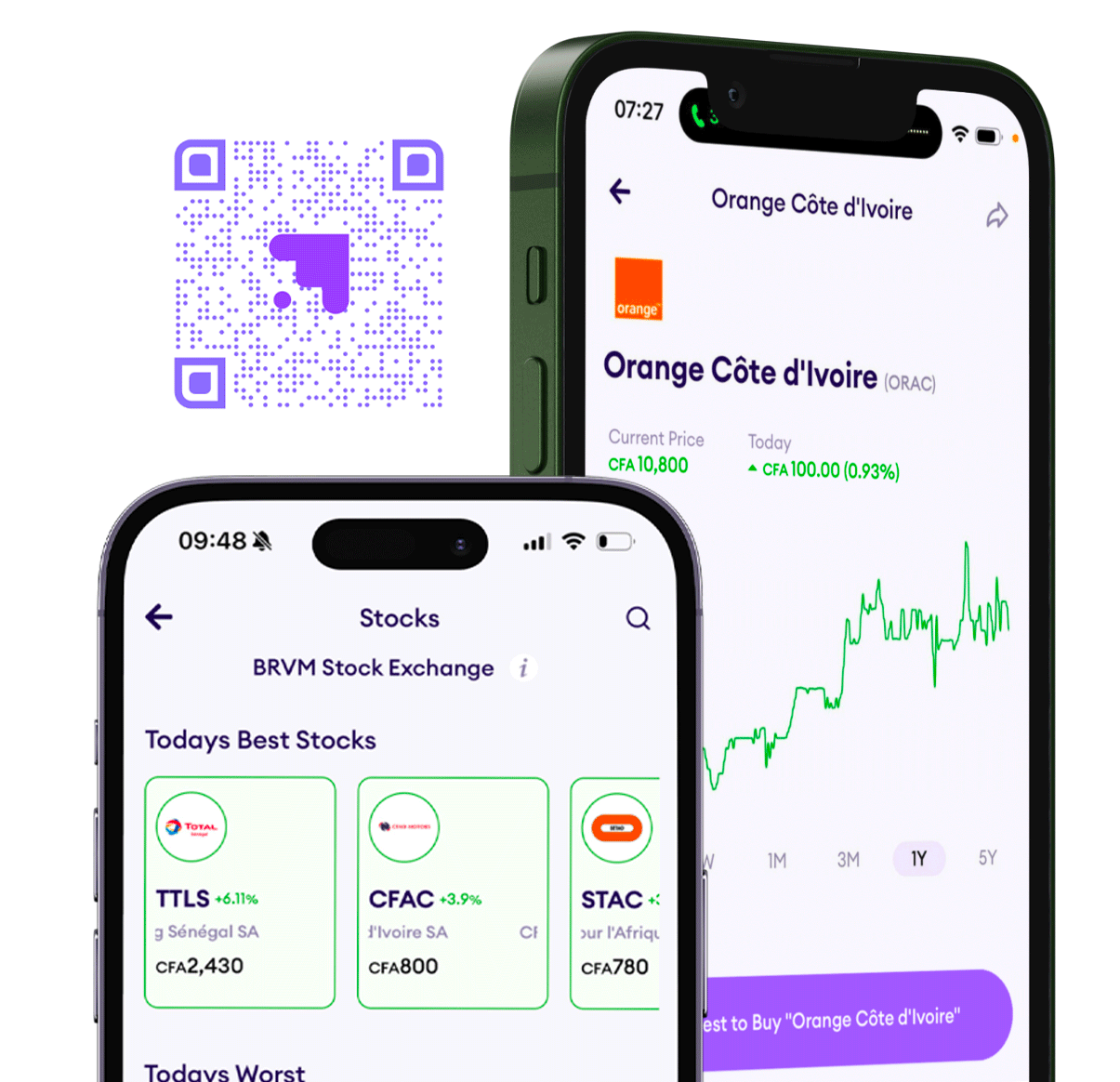
To invest in this opportunity and other opportunities across Africa
Download the daba finance app on your mobile through

Take action.

Download app

Partner with us
Unlock exciting business opportunities and growth potential.
Join Daba
Become a part of our vibrant community and enjoy exclusive benefits.
Contact us
Reach out to us for inquiries, support, or collaboration.