


Sicable Posts Loss in Q1 as Maintenance Halt, Metal Price Surge Bite
TLDR
- SICABLE, Abidjan's electric cable maker, faced a net loss in Q1 2026 due to lower revenue and higher maintenance costs driven by metal price inflation on the London Metal Exchange.
- The company's production volumes decreased by 27% as a result of a planned overhaul of production machines, impacting profitability.
- SICABLE operates in a challenging market with surging metal prices, necessitating strategic cost management and efficient production to navigate profitability challenges.
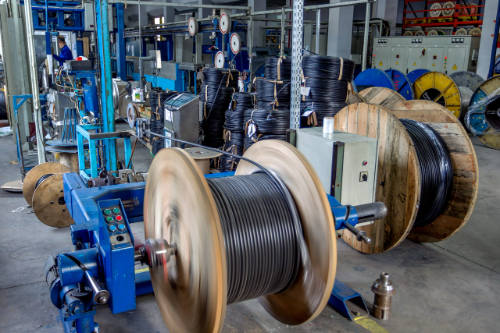
Sicable, the Abidjan-based electric cable maker and Ivorian subsidiary of Italy's Prysmian Group, swung to a net loss of 221.7 million FCFA ($397,500) in the first quarter of 2026, from a profit of 211.2 million FCFA ($378,700) in the same period of 2025.
Revenue fell 26.5% to 3.79 billion FCFA ($6.8 million) from 5.16 billion FCFA ($9.3 million) a year earlier, as a planned overhaul of the company's production machines cut sales volumes by 27%.
The operating result turned negative, coming in at -236.6 million FCFA (-$424,200), against a positive 432 million FCFA ($774,700) in Q1 2025. The company said metal price inflation on the London Metal Exchange — up 23% in 3 months — drove costs higher and squeezed the result.
Management said the maintenance was periodic and planned. With production back online and electricity demand showing signs of growth in April, the company said it expects performance to recover through the rest of the year.
For the full year 2025, Sicable (BRVM: CABC) posted revenue of 21.26 billion FCFA ($38.1 million) and net profit of 1.7 billion FCFA ($3 million), a baseline the company is now working to rebuild toward.S
Key Takeaways
The cost pressure SICABLE faced in Q1 2026 is not isolated. LME base metals entered 2026 on one of the strongest runs in years — copper hit an all-time high above $14,000 per tonne in January before correcting, while aluminium surged past $3,000 per tonne and reached its highest level in 4 years, driven by Middle East supply disruptions, war-related force majeure declarations at smelters, and structural demand from electrification and AI infrastructure. For manufacturers like SICABLE, which processes copper and aluminium conductors into low- and high-voltage cables, these price moves directly inflate raw material costs with little short-term ability to pass them on. The situation is compounded when production is already constrained, as it was in Q1, because fixed costs are spread over fewer units. SICABLE sells into the Ivorian electricity market and exports through the Prysmian Group's West African commercial platform — a market that is growing, underpinned by Côte d'Ivoire's infrastructure push and rising grid demand. That demand tailwind gives the company a credible recovery path, but the metals environment remains a live risk: LME contract trading hit record quarterly highs in Q1 2026, reflecting the scale of volatility that cable makers and other metals-intensive manufacturers must now absorb.
Companies in this story
Think someone else should see this?









To invest in this opportunity and other opportunities across Africa
Download the daba finance app on your mobile through

Take action.

Download app

Partner with us
Unlock exciting business opportunities and growth potential.
Join Daba
Become a part of our vibrant community and enjoy exclusive benefits.
Contact us
Reach out to us for inquiries, support, or collaboration.