


SA-Based AI Diagnostics Raises $5.2M to Expand TB Screening Tech
TLDR
- AI Diagnostics secures ZAR85 million funding for tuberculosis screening platform expansion in Africa and Asia.
- Technology revolutionizes healthcare in emerging markets by enabling portable, real-time screening without X-ray equipment.
- Investment highlights potential of AI-driven healthcare solutions to address gaps in diagnostic tools, especially in rural areas.
AI Diagnostics has raised ZAR85 million, or about $5.2 million, to scale its tuberculosis screening platform. The funding will support clinical research, product development and expansion across Africa and Asia.
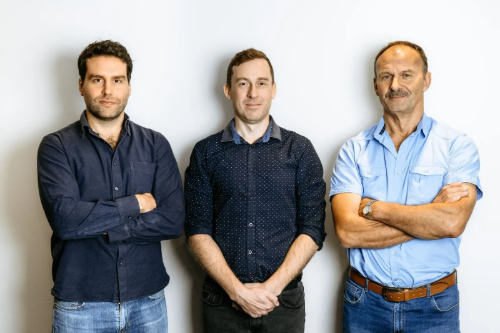
Founded in 2020 in Cape Town, the company builds tools designed for frontline healthcare workers. Its main product combines the Ostium digital stethoscope with an AI model that analyzes lung sounds to identify potential tuberculosis cases in real time.
The round was led by The Steele Foundation for Hope, with participation from iFSP Group and Global Innovation Fund. Earlier investors include Africa Health Ventures and Savant.
The company said its technology allows screening without access to X-ray equipment or specialist clinicians. It has regulatory approval from the South African Health Products Regulatory Authority and has screened more than 1000 patients locally.
AI Diagnostics is running clinical research in more than 10 countries. Chief Executive Officer Braden van Breda said the system helps identify individuals for further testing, improving early detection and access to care.
Key Takeaways
The funding highlights the role of technology in addressing gaps in healthcare systems across emerging markets. Tuberculosis remains one of the leading infectious diseases globally, with a large share of cases undiagnosed or detected late due to limited access to diagnostic tools. Traditional screening methods often rely on imaging and laboratory infrastructure that is not widely available in rural or low-resource settings. AI Diagnostics is targeting this gap by shifting screening closer to the patient, using portable hardware and software that can be deployed by nurses and community health workers. This reduces the need for centralized facilities and can increase screening coverage at lower cost. For investors, the model combines elements of medical devices and software, creating recurring use cases tied to public health systems and donor funding. The approach also aligns with broader trends in digital health, where AI is used to improve diagnosis and workflow efficiency. The main challenges include regulatory approvals across multiple markets, integration into national health systems, and ensuring accuracy at scale. If these are addressed, the model could expand to other respiratory and infectious diseases.
Think someone else should see this?









To invest in this opportunity and other opportunities across Africa
Download the daba finance app on your mobile through

Take action.

Download app

Partner with us
Unlock exciting business opportunities and growth potential.
Join Daba
Become a part of our vibrant community and enjoy exclusive benefits.
Contact us
Reach out to us for inquiries, support, or collaboration.