Individuals
Businesses
Company
Intelligence
News
African Capital Markets
Dangote IPONew
EnglishEnglish
share on twittershare on linkedinshare on facebookshare to whatsapp
share on mail
share on instagram

Sub-Saharan Africa: The World Bank Raises Its Growth Forecasts
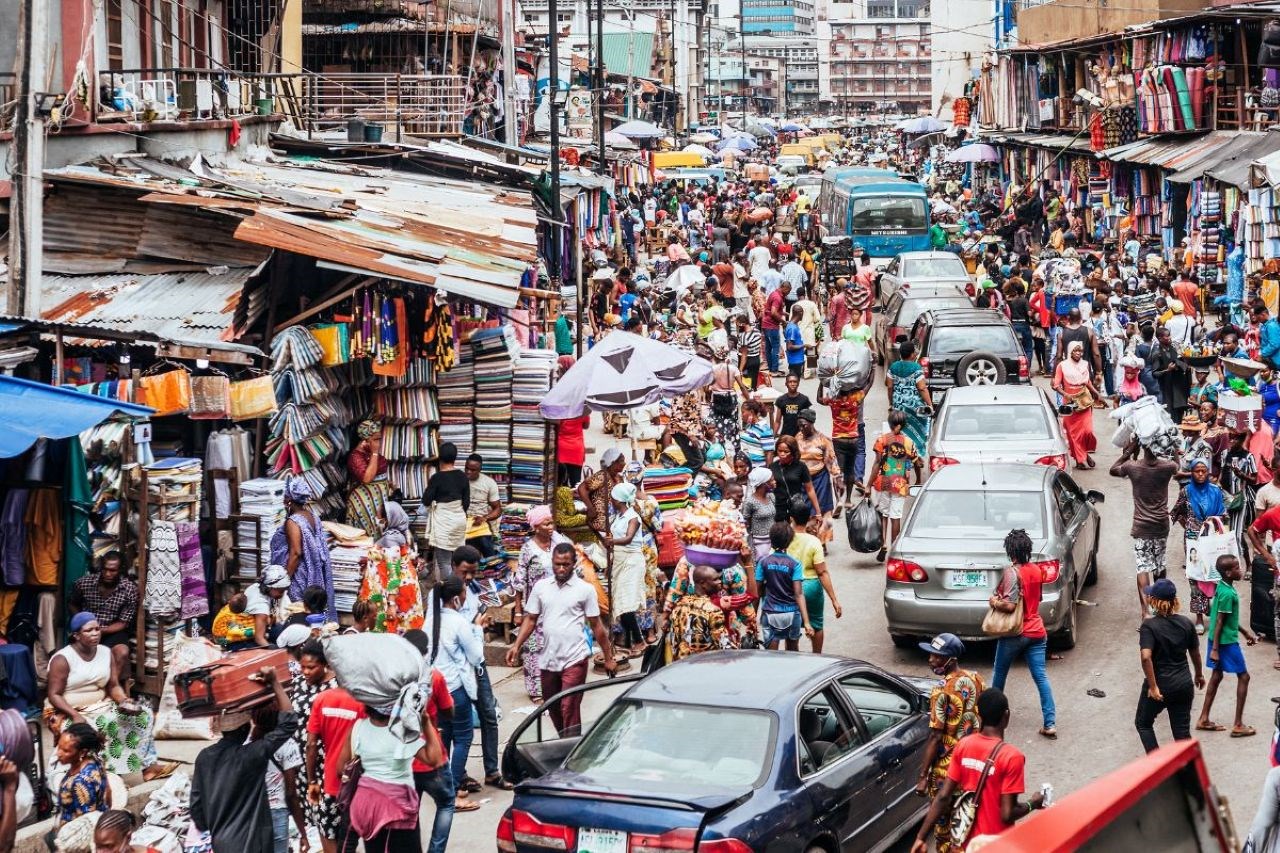
A map of sub-Saharan Africa with arrows indicating economic growth.
AFRICAN STOCKS AND FINANCEOctober 7, 2026 at 6:58 AM UTC

TLDR

  • The World Bank has raised its growth forecast for sub-Saharan Africa to 4.3% in 2026.
  • Regional inflation is expected to rise to 5.5% in 2026, threatening purchasing power and production costs.
  • The report highlights the potential of artificial intelligence for productivity and employment in the region.

The World Bank has raised its economic growth forecast for sub-Saharan Africa, according to its semi-annual report released on October 6. The institution now projects growth of 4.3% in 2026, following 4.1% in 2025. This new estimate represents an increase of 0.3 percentage points compared to the forecast made in April.

The improved outlook reflects the resilience of regional economies in the face of geopolitical tensions, climate shocks, and declining development aid. The upturn in economic activity is driven by greater macroeconomic stability, stronger domestic demand, and investments in the energy transition and digital technologies. Nearly three-quarters of the countries in the region, including Angola, Ethiopia, Nigeria, and Zambia, have seen their growth forecasts revised upward.

Despite this growth, the World Bank notes that it remains insufficient to significantly reduce extreme poverty and create the jobs needed for a growing workforce. Regional median inflation is projected to rise to 5.5% in 2026, up from 3.7% in 2025, driven by rising global prices for fuel, fertilizers, and food. Public finances remain under pressure, with public debt stabilized at around 57% of GDP, but debt service limiting essential spending.

This surge in inflation risks eroding household purchasing power and increasing production costs for businesses, offsetting some of the recent progress. Public debt service continues to constrain investment in health, education, and infrastructure, a constraint exacerbated by the decline in development aid. Key risks include escalating geopolitical tensions, climate shocks such as El Niño, and tighter financing conditions.

Andrew Dabalen, the World Bank’s Chief Economist for Africa, emphasized that the next challenge is to transform this growth into more jobs and better opportunities. The report devotes a thematic section to artificial intelligence, viewed as a driver of productivity and job creation. Its adoption is still in its early stages, concentrated mainly in Kenya, Nigeria, and South Africa, with opportunities in applications tailored to local needs and limited connectivity.

Key Takeaways

Although the World Bank has raised its growth forecasts for sub-Saharan Africa, this improvement is not enough to mask the persistent structural challenges. The projected growth, while positive, is considered insufficient to significantly reduce extreme poverty and generate the jobs needed for a rapidly expanding workforce. The resurgence of inflation, fueled by rising global prices for fuel, fertilizers, and food, threatens to erode household purchasing power and increase production costs for businesses, thereby undoing some of the recent progress made in keeping prices under control. At the same time, public finances remain under heavy pressure, with high public debt and debt service limiting essential spending in vital sectors such as health, education, and infrastructure—especially as development aid is on the decline. Governments are therefore called upon to step up their efforts to mobilize domestic resources, deepen local capital markets, and seek more sustainable financing. The report also highlights the potential of artificial intelligence as a driver of productivity and job creation, but its effective deployment will depend on massive investments in infrastructure (reliable electricity, accessible connectivity), digital skills, and strong regional governance. In short, the region is at a crossroads where moderate growth must be transformed through targeted policies and strategic investments to generate inclusive and sustainable development.
Sub Saharan Africa

Think someone else should see this?

share on twittershare on linkedinshare on facebookshare to whatsapp
share on mail
share on instagram
Stay informed with our newsletters read by 25,000+ professionals worldwide
Newsletter companiesNewsletter companiesNewsletter companiesNewsletter companiesNewsletter companiesNewsletter companies

Next Frontier

Stay up to date on major news and events in African markets. Delivered weekly.

Pulse54

Events

Sign up to stay informed about our regular webinars, product launches, and exhibitions.

+25k investors have already subscribed

To invest in this opportunity and other opportunities across Africa

Download the daba finance app on your mobile through


appstore iconappstore icon
Phone Image

Take action.

Download app

Partner with us

Unlock exciting business opportunities and growth potential.

Join Daba

Become a part of our vibrant community and enjoy exclusive benefits.

Contact us

Reach out to us for inquiries, support, or collaboration.
For Investor
Dangote Refinery IPO TrackerNewStrategiesPortfolio ManagementAfrican Capital MarketsNews
Daba Pro Intelligence
Daba  Academy
Markets
BRVM — Bourse Régionale des Valeurs MobilièresNGX — Nigerian Exchange
For Capital Seekers
For StartupsFor Fund ManagersFor Private CompaniesFor Lenders
For Partners
Commercial BanksBroker DealersAsset ManagersInvestment BanksInvestment Advisors and ConsultantsLenders and Microfinance
Company
About UsMarket UpdatesEventsBlog and PodcastNewsletterCase StudiesAffiliate ProgramInvesting GlossaryOfficial ContactsTrust, Compliance and SecurityFrequently Asked Questions

Terms & ConditionsPrivacy Policy
EnglishEnglish

Owned by Daba Markets Inc. By using this site, you accept our Terms and Conditions and Privacy Policy. © 2026 All rights reserved