


TikTok Sued in Nigeria Over Alleged Access Restrictions
TLDR
- TikTok faces a lawsuit in Nigeria over alleged access restrictions for users in four northern states.
- A digital-rights group claims the disruption, ongoing since mid-September, violates users' freedom of expression and freedom from discrimination.
- The case will test whether Nigerian courts can hold a global tech company accountable for platform access.
TikTok users in four northern Nigerian states have reportedly faced difficulties accessing the platform since mid-September. A digital-rights group, the Foundation for Digital Justice and Sustainable Development, filed a fundamental-rights action against TikTok at the Federal High Court in Abuja on October 5. The lawsuit seeks to determine if alleged regional access restrictions violate users’ rights to freedom of expression and freedom from discrimination.
The foundation's case alleges TikTok restricted access, preventing users from watching videos, uploading content, and using various app functions. According to the lawsuit, videos freeze or fail to load, and uploads stall on regular mobile data connections. The foundation argues its investigation and user interviews point to a regional restriction, noting affected users can restore access through virtual private networks (VPNs). TikTok has not responded to requests for comment or publicly explained the reported access problems.
Access disruptions reportedly began around September 11, 2026, in Kaduna, Kano, Kebbi, and Sokoto states. By September 14, the platform was heavily restricted or completely inaccessible in these areas. The lawsuit describes a widespread inability to post, view, reply, like, and repost content, which the foundation considers forms of "expressive conduct" being denied to users.
This case will test the ability of Nigerian courts to hold a global technology company accountable for allegedly restricting access to its platform. For TikTok, the suit raises questions about its Terms of Service, which allow platform restriction for "business and operational reasons" but lack specific criteria for regional blocks. For creators and small businesses relying on TikTok for audience reach and income, the disruption may also affect their livelihoods.
The Foundation for Digital Justice and Sustainable Development is asking the court to declare the alleged geoblocking wrongful, unconstitutional, and arbitrary. It also seeks a public apology in three newspapers with nationwide circulation within seven days of judgment. The case relies on Nigeria’s Constitution and the African Charter on Human and Peoples’ Rights, invoking protections for expression and against discrimination. A key initial step for the foundation is to establish that TikTok was responsible for the disruption.
Key Takeaways
This legal challenge against TikTok in Nigeria represents a significant test for digital rights and the accountability of global technology platforms operating in Africa. Unlike previous cases involving personal data, this suit focuses on fundamental access to a major communication and commerce channel, raising complex questions about freedom of expression and discrimination. The Foundation for Digital Justice and Sustainable Development argues that preventing users across an entire region from accessing the application goes beyond ordinary content moderation, which typically addresses specific posts or accounts. The foundation's counsel, Festus Ogun, emphasizes that TikTok owes its users an explanation for the alleged restriction and discrimination, especially given that users in other Nigerian states continue to access the platform without issue. While TikTok's Terms of Service permit platform suspension for "business and operational reasons," the absence of specific criteria for regional restrictions, combined with the alleged selective exclusion, forms the basis for claims of unequal treatment potentially based on place of origin, ethnicity, or religion. The case's outcome will not only determine TikTok's liability but also establish a precedent for how constitutional protections for expression apply to private digital spaces that have become essential for public debate and economic activity, particularly if the foundation successfully establishes TikTok's direct responsibility for the disruption, which remains a key hurdle.
Think someone else should see this?








To invest in this opportunity and other opportunities across Africa
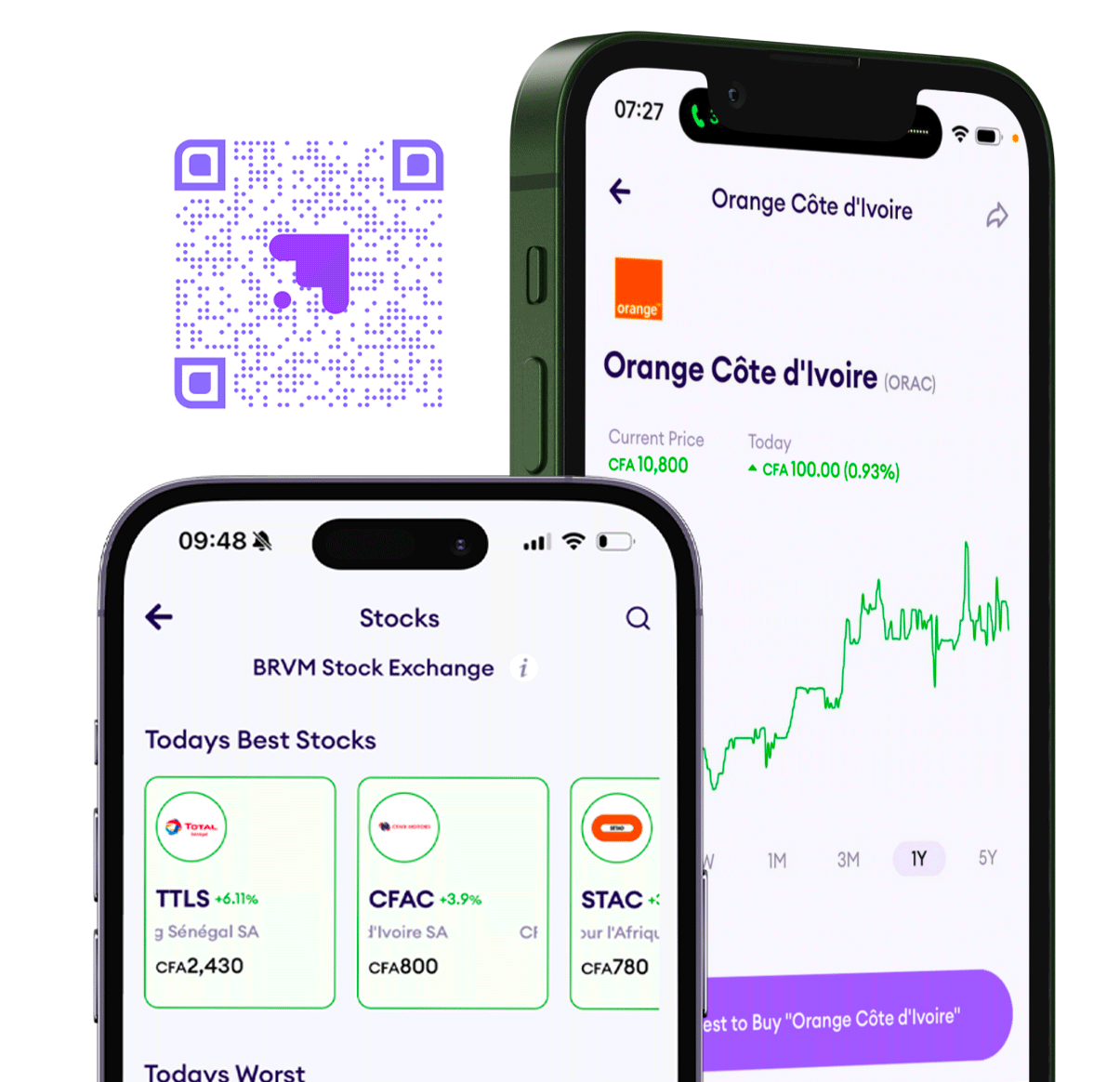
Download the daba finance app on your mobile through

Take action.

Download app

Partner with us
Unlock exciting business opportunities and growth potential.
Join Daba
Become a part of our vibrant community and enjoy exclusive benefits.
Contact us
Reach out to us for inquiries, support, or collaboration.