


Two-Thirds of Nigerian Households Face Hunger Amid Soaring Prices
TLDR
- Nigerian households face increased hunger at 62.4% in 2023, up from 37% in 2019 due to rising food costs and economic reforms by President Bola Tinubu.
- Food inflation peaked at 41%, while children's stunted growth rose to 25%, highlighting the impact of inflation and subsidy removals on food security.
- Nigeria's economic reforms have international support but are exacerbating immediate hardships, emphasizing the need to balance fiscal restructuring with social impact for vulnerable populations.
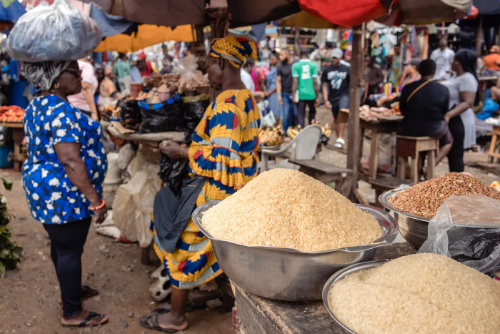
Nearly 62.4% of Nigerian households experienced hunger in 2023, up from 37% in 2019, as rising food costs strain family budgets, according to a report from the National Bureau of Statistics. The survey revealed 12.3% of households had at least one member go a full day without eating. Food inflation peaked at 41% in June, marking its highest level in nearly three decades.
President Bola Tinubu’s economic reforms, including the removal of currency restrictions and subsidies on fuel and electricity, have exacerbated the crisis. The reforms have triggered a 72% depreciation of the naira and driven inflation to 33.9% in October.
While praised by international investors, the measures have more than doubled fuel and electricity prices, sparking protests in August. Stunted growth among children is on the rise, with 25% classified as underweight, up from 19% in 2019. The average cost of a healthy diet rose by 30% between May and September.
You can follow Daba’s reporting on Africa on WhatsApp. Sign up here
Key Takeaways
Nigeria’s economic reforms, while addressing long-term fiscal challenges, are intensifying immediate hardships for citizens, particularly in food security. Hunger is escalating as families face soaring food prices, driven by currency depreciation and subsidy removals. Though the reforms have gained international backing, they underscore the delicate balance between fiscal restructuring and the social impact on vulnerable populations. Addressing inflation’s toll on food access and child nutrition is critical to mitigating the broader socioeconomic fallout.
Think someone else should see this?









To invest in this opportunity and other opportunities across Africa
Download the daba finance app on your mobile through

Take action.

Download app

Partner with us
Unlock exciting business opportunities and growth potential.
Join Daba
Become a part of our vibrant community and enjoy exclusive benefits.
Contact us
Reach out to us for inquiries, support, or collaboration.