


Uganda's Museveni Claims Landslide Win as Opposition Rejects Results
TLDR
- Yoweri Museveni wins seventh term in Uganda election with 72% of the vote, opposition criticizes poll and cites repression
- Internet shutdown before voting draws criticism, social media remains restricted after election
- Museveni accuses opposition of planning attacks, small protests reported in parts of Kampala
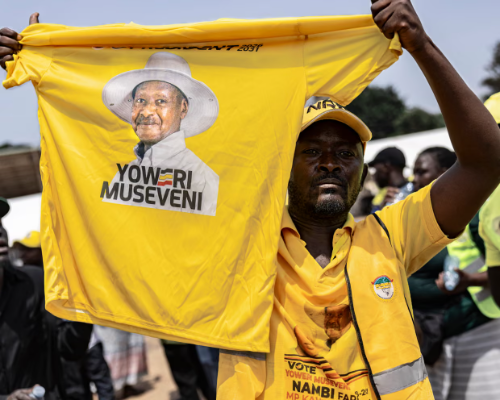
Yoweri Museveni said opposition groups were “terrorists” who sought to overturn Uganda’s election through violence, after official results showed him winning a seventh term with 72% of the vote.
African election observers and rights groups criticized the poll, citing repression of the opposition and an internet shutdown. The government blocked internet access 2 days before voting, saying it aimed to prevent misinformation and incitement. While some connectivity was restored late Saturday, social media remained restricted.
Opposition leader Bobi Wine, whose real name is Robert Kyagulanyi and who won 25%, said he was in hiding after what he described as a police raid on his home. Police denied the raid and said he remained at home, while blocking journalists from the area. Wine has not posted on social media since Saturday, when he accused authorities of election theft.
In a victory speech, Museveni accused Wine’s National Unity Platform of planning attacks on polling stations and working with foreign groups. He warned opponents to stop what he called subversive activity.
Small protests were reported in parts of Kampala late Saturday, with teargas deployed. Security presence eased on Sunday as shops reopened. The most serious violence was reported in Butambala, where an opposition lawmaker said at least 10 people were killed; Museveni said police acted to stop an attack.
Human Rights Watch accused authorities of repression ahead of the vote. Observers from the African Union cited intimidation, arrests, and abductions that eroded public trust.
Key Takeaways
The election underscores Uganda’s entrenched power dynamics after nearly 40 years of Museveni’s rule. Analysts say the outcome was widely expected given the president’s control over state and security institutions, even as criticism mounts over civil liberties. Internet shutdowns, arrests, and restrictions on media access have become recurring features of Ugandan elections, drawing scrutiny from regional bodies and rights groups. While authorities argue the measures prevent unrest, critics say they suppress dissent and weaken confidence in electoral outcomes. Uganda has remained largely calm since the vote, and many citizens credit Museveni with stability and economic progress. Yet unresolved disputes over the conduct of the election and the treatment of opposition figures point to continued political tension. The government’s handling of dissent, including ongoing cases against veteran opponents, is likely to shape domestic politics and relations with international partners in the months ahead.
Think someone else should see this?









To invest in this opportunity and other opportunities across Africa
Download the daba finance app on your mobile through


Take action.

Download app

Partner with us
Unlock exciting business opportunities and growth potential.
Join Daba
Become a part of our vibrant community and enjoy exclusive benefits.
Contact us
Reach out to us for inquiries, support, or collaboration.