


Vivo Energy Profit Rises 13% in 2025 but Aviation Slump Clouds Q1
TLDR
- Vivo Energy Cote d'Ivoire's 2025 net profit grew by 13% to 6.03 billion FCFA, attributed to increased volumes in butane and lubricants, and reduced bank borrowing costs.
- Despite stable revenue, the company achieved a 7% increase in gross margin before transport costs, indicating a more profitable product mix and improved procurement management.
- The first quarter of 2026 saw a 9% revenue decline due to decreased volumes in aviation fuel and bitumen, impacting the company's overall performance though operating profit still rose by 3%.
Vivo Energy Cote d'Ivoire (BRVM: SHEC) grew its 2025 net profit 13% to 6.03 billion FCFA ($10.8m), helped by a 5% rise in volumes — particularly in butane and lubricants — and a reduction in its bank borrowing costs. Revenue was broadly flat at 605 billion FCFA ($1.08bn).
The more telling story is what happened to gross margin. Despite revenue barely moving, gross margin before transport costs rose 7%, meaning the company sold a more profitable mix of products and managed its procurement better. The financial result also improved as the company drew less on its overdraft facilities than planned.
But the first quarter of 2026 complicated that picture. Revenue fell 9% against the same period of 2025 as volumes dropped in aviation fuel and bitume — two segments that tend to track large infrastructure and air traffic cycles rather than everyday consumer demand. Operating profit still rose 3%, again on cost control, and net profit for the quarter was essentially flat.
Key Takeaways
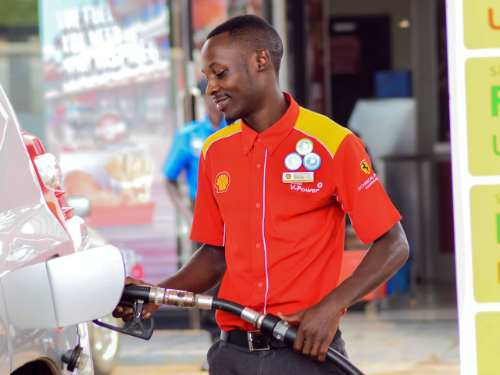
Vivo Energy is the operator of Shell-branded service stations in Ivory Coast, operating under licence from Shell and as part of the pan-African Vivo Energy group listed in London and on the Johannesburg Stock Exchange. It sits at the intersection of two distinct demand cycles: everyday consumer fuels like petrol, diesel and butane — which track household and SME activity and are relatively stable — and aviation fuel and bitumen, which track government infrastructure spending and airline traffic and are far more volatile. The 2025 result shows the consumer segment firing well, with butane and lubricants volume up. The Q1 2026 weakness in aviation and bitumen is harder to read at this stage — it could reflect the timing of government contract disbursements for road works, a post-holiday dip in air traffic, or something more structural. Ivory Coast's aviation sector has been growing as Abidjan cements its position as a regional hub, so a one-quarter dip may not be significant. The company's accounts for 2025 are still being finalised by auditors and the Q1 2026 figures are unreviewed, so both sets of numbers carry caveats.
Companies in this story
Think someone else should see this?









To invest in this opportunity and other opportunities across Africa
Download the daba finance app on your mobile through


Take action.

Download app

Partner with us
Unlock exciting business opportunities and growth potential.
Join Daba
Become a part of our vibrant community and enjoy exclusive benefits.
Contact us
Reach out to us for inquiries, support, or collaboration.