


World Bank Adds $163M for Northern Gulf of Guinea Project
TLDR
- World Bank approves $163 million for Social Cohesion Project in Benin, Côte d’Ivoire, and Togo in Northern Gulf of Guinea region.
- Funding to reach 1.9 million people, create 52,000 direct jobs, and support 600 local businesses, focusing on local infrastructure, livelihoods, and essential services.
- Project aims to reduce fragility, enhance resilience, and address insecurity, climate challenges, and displacement in the region, particularly benefiting women and youth.
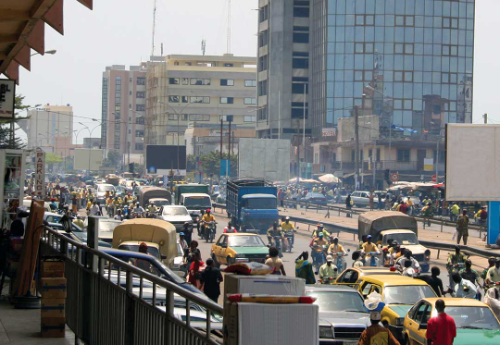
The World Bank approved an additional $163 million for a social cohesion project in Benin, Côte d’Ivoire and Togo, as northern border regions face pressure from insecurity, climate shocks and displacement.
The financing will support the Social Cohesion Project for the Northern Gulf of Guinea, known as COSO. The project aims to strengthen vulnerable communities, create jobs and improve access to basic services in areas affected by poverty and weak economic opportunities.
The new funding is expected to reach an additional 1.9 million people. It will finance more than 2,200 community-based projects, create about 52,000 direct jobs and support more than 600 local businesses. Young people and women are expected to be the main beneficiaries.
The project will focus on local infrastructure, livelihoods, social cohesion and access to essential services. The World Bank said the goal is to reduce drivers of fragility and help communities become more resilient.
COSO was launched in 2022 and has already reached more than 3.7 million people and created over 82,000 jobs. In Benin, 595 community projects have supported more than 679,000 people. In Côte d’Ivoire, 917 infrastructure investments have reached almost 700,000 beneficiaries. In Togo, 1,461 projects have improved living conditions for more than 500,000 people, including over 24,000 refugees.
Key Takeaways
The World Bank’s new financing shows how security, climate and development challenges are becoming linked in West Africa’s northern border regions. Benin, Côte d’Ivoire and Togo are not only dealing with poverty and limited services. They are also exposed to spillovers from insecurity in the Sahel, refugee movements and pressure on livelihoods. That makes local investment a prevention tool. Small infrastructure projects, jobs, water access, schools, health services, markets and support for local businesses can help reduce the conditions that allow instability to spread. The focus on women and young people is important because they are often most affected by unemployment and displacement. The project’s results since 2022 show that community-led investment can reach large numbers of people, but the challenge is durability. Jobs must become income, infrastructure must be maintained and social cohesion gains must survive future shocks. For the 3 countries, the funding offers support for resilience before fragility becomes harder and more expensive to manage.
Think someone else should see this?









To invest in this opportunity and other opportunities across Africa
Download the daba finance app on your mobile through

Take action.

Download app

Partner with us
Unlock exciting business opportunities and growth potential.
Join Daba
Become a part of our vibrant community and enjoy exclusive benefits.
Contact us
Reach out to us for inquiries, support, or collaboration.